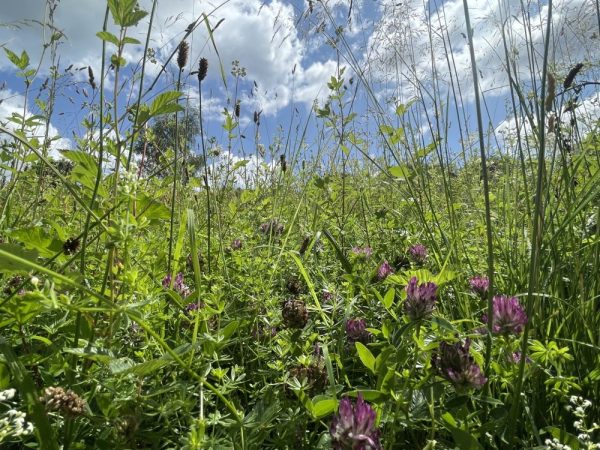
It’s been a really busy summer for the Wildlife Warden group, with all sorts going on across Teignbridge – events, surveys, work parties, bioblitzes, and training sessions.
One of the best things, though, is seeing wardens lending a hand not just in their own parishes, but also supporting projects in others – sharing their skills and knowledge. The help, teamwork, and friendships that have grown along the way are what really make this group so special.
In this newsletter:
Join us for a BIG Wildlife Warden gathering and visit to Moor Barton Wilding!
We’re really excited to tell you about our autumn gathering for Wildlife Wardens, friends, and supporters at Moor Barton Wilding site on Sunday 21st September – we’d love to see lots of you there!
We’re hoping this will be a fabulous day for catching up and sharing ideas, as well learning more about the Moor Barton site and the ambitious work underway there.
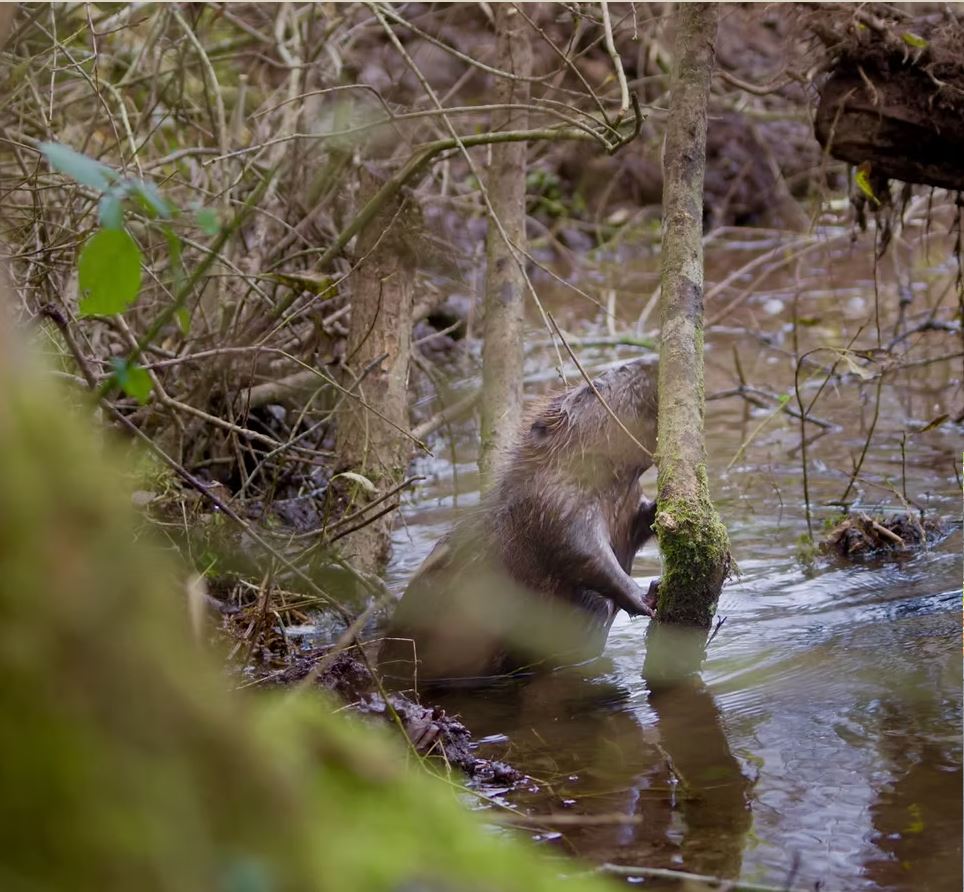
Around 10 years ago Moor Barton was dominated by a larch plantation which was replanted with 8,200 native broadleaf trees. Initially, the approach was to intervene minimally but more recently, the team has begun to take a more active role in land management – mimicking the work of keystone species and even introducing species, including beavers!
We are really hoping to catch a glimpse of the beavers on our visit but even if we don’t, we will see the incredible positive impact they have had at the site. We’ll have morning and afternoon tours and for those keen to get hands-on, there is an optional “Tending the Land” practical session in the afternoon too.
Spaces on the site tours are limited so book now!
There’ll be an extended lunch break with plenty of time for meeting other wardens and sharing ideas.
We’d also love it if some of you might be up for giving a 5-minute talk about what you’ve been working on this year – to inspire others and connect people doing similar projects. If you’d be up for doing that, let me know!
Although this event is listed as free, we would be very grateful for a donation towards the cost of the venue and leaders. If you’re able to contribute, you can do so when booking through Eventbrite or bring cash on the day – any amount is very much appreciated. Thank you!
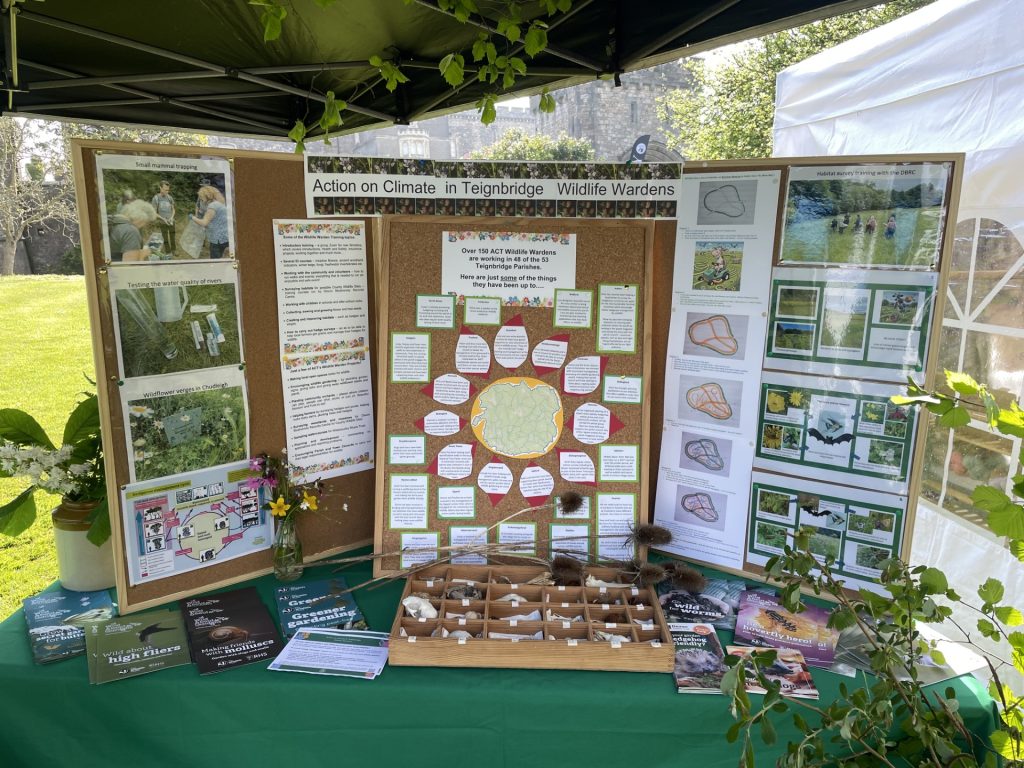
Murder in the Garden! A curious case at the Powderham Garden Festival
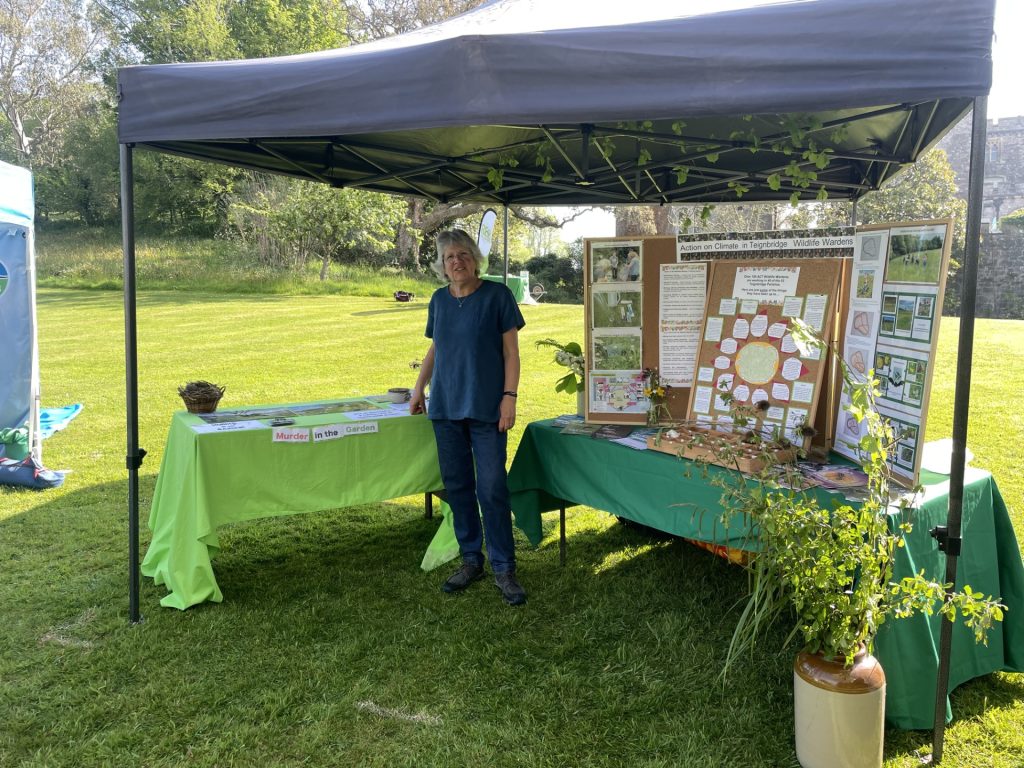
Ashton WW Shira gave a very successful talk to her local gardening group titled “Murder in the Garden”, which explored the impact of pesticides on garden ecosystems. We loved the idea so much, we asked her to turn it into an interactive activity for the Wildlife Wardens stand at Powderham.
Shira created a set of photos showing a beautiful garden and lots of different birds, mammals, insects, reptiles – some you’d love to see, and a few you might not! Visitors to the stand were asked to pop the various creatures into their likely habitats in the garden, sparking some great conversations about the variety of microhabitats found even in small green spaces.
Then the story took a turn: the garden was handed over to someone less keen on the caterpillars nibbling their brassicas, the aphids on their roses, or the yellow patches on their lawn. They went off to the garden centre to buy a few off-the-shelf products to deal with these “problems.”
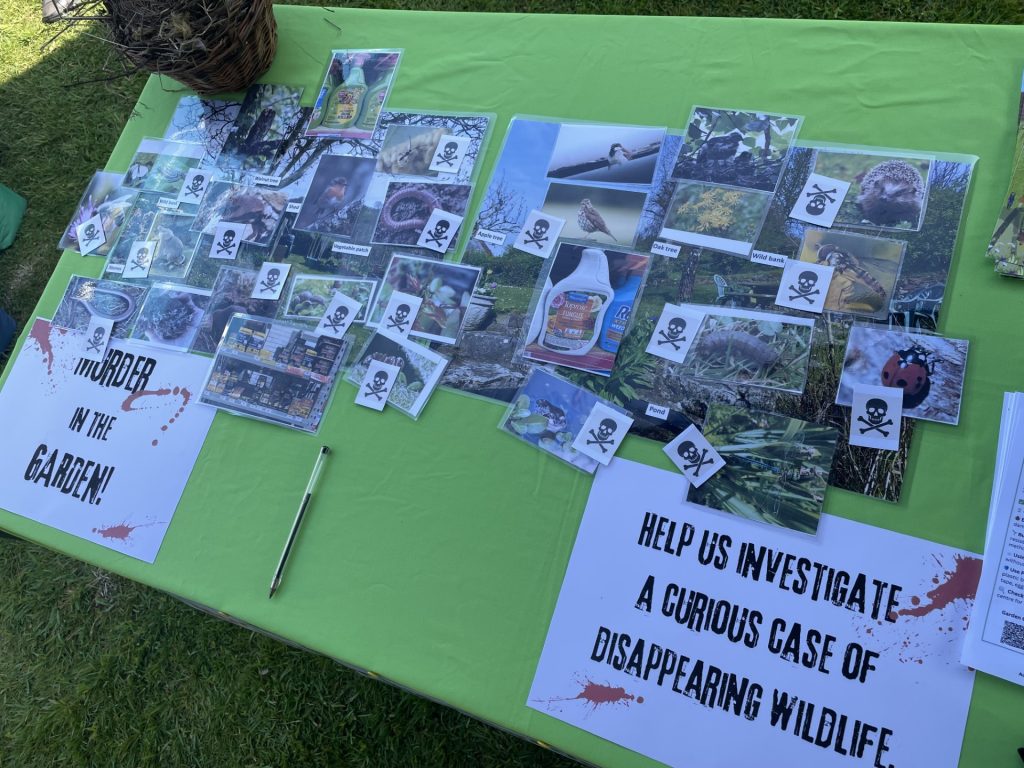
The impact soon became clear. People were asked to place skull-and-crossbones markers on the creatures affected by the pesticides but it didn’t stop there – as food sources disappeared, other species began to vanish too! The food web was collapsing before our eyes!
It was a powerful moment. People could clearly see how using a pesticides doesn’t just remove the “pest”—it damages the whole garden ecosystem, often wiping out the very wildlife we want to see.
The activity triggered chats about habitats, food chains, and how we can manage our gardens without chemicals. One visitor shared that he had worked in the pesticide industry until he read Rachel Carson’s Silent Spring back in the 1960s. The book had a profound impact on him – and he was glad to talk to us about how he manages his garden pesticide free. For those people who were already gardening without chemicals, we set an extra challenge: share what you’ve learned with your neighbours and fellow allotment holders – we need to be spreading this message.
We have the Murder in the Garden activity available for other Wildlife Warden stands. If you’d like to borrow it for an event, please get in touch!
Thank you ever so much to WWs Sheree, Pete, Mariya, Jeremy, and Val for all your help running the stand- I really appreciated the support. And a special thanks to Shira for coming up with such a fantastic idea and creating the activity – we love it!

Lots of us joined the Green Futures team in Newton Abbot for the “Pesticide Free Devon” event in June – and what a day it was!
There was a fantastic speaker line-up, including Amanda Keetley from the Devon Environment Foundation, Martin Wrigley MP, and Guy Singh-Watson from Riverford Organics, along with plenty of breakout sessions for interactive discussions on a wide range of relevant topics.
There was a real buzz throughout the day, with people from all over Devon coming together to listen, share ideas, and talk – all united by a shared goal: finding practical ways to move toward a pesticide-free future.
We’re looking forward to the Green Futures team sharing their event summary soon. In the meantime, take a look at the newly launched Pesticide Free Devon Network website launched as a central hub for resources and advice.
Training Galore! Ferns, Yellow Flowers and Reptiles!
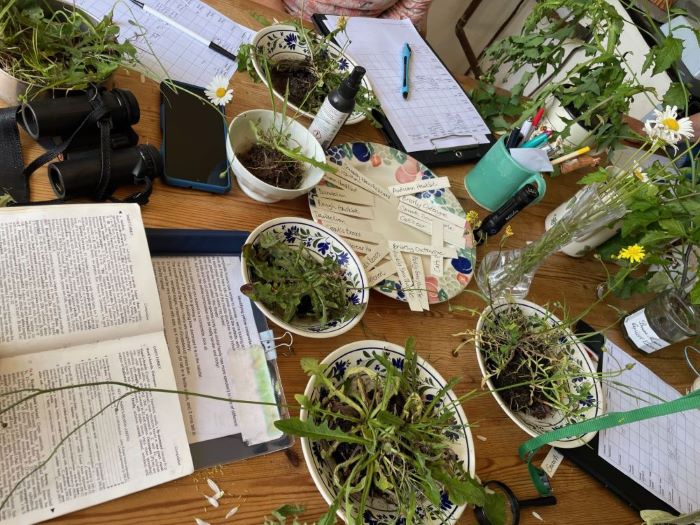
Many of our Wildlife Wardens love learning and we’ve been lucky to have some great training opportunities over the past few months. Any knowledge we gain is invaluable for surveys, bioblitzes, and sharing with fellow wardens and our communities.
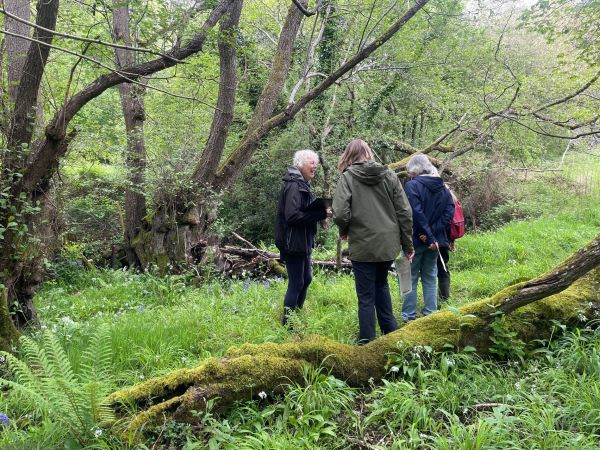
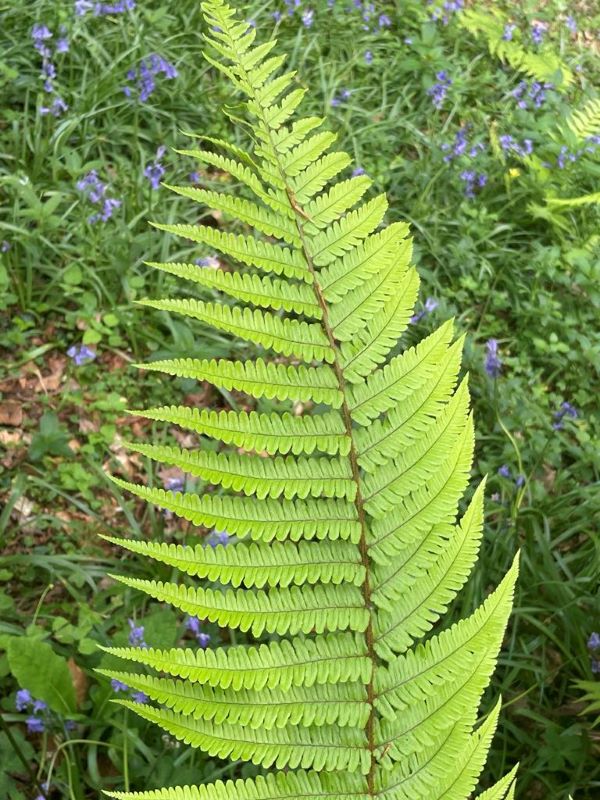
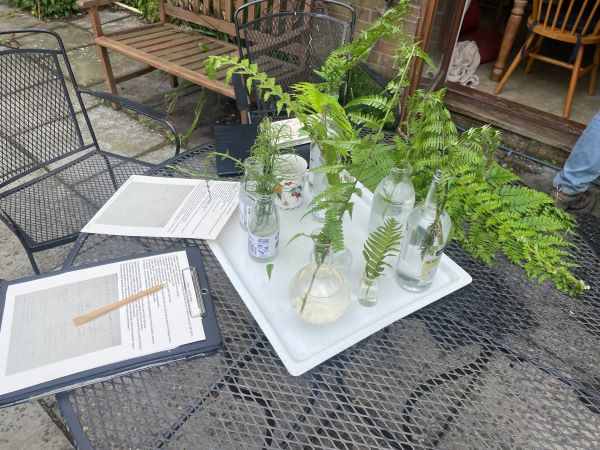
Audrey led several brilliant plant ID sessions recently. We explored the world of ferns – spotting “thumbs” on Shield ferns, the frilliness of Lady ferns, and being amazed at just how scaly a Scaly Male fern can be!
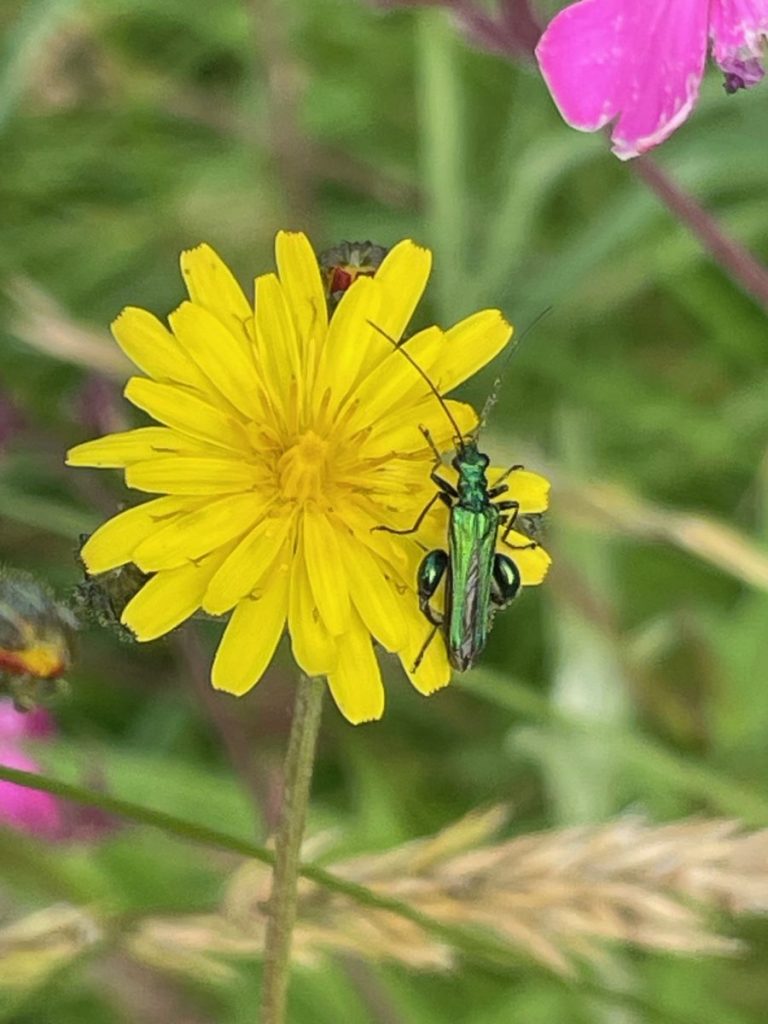
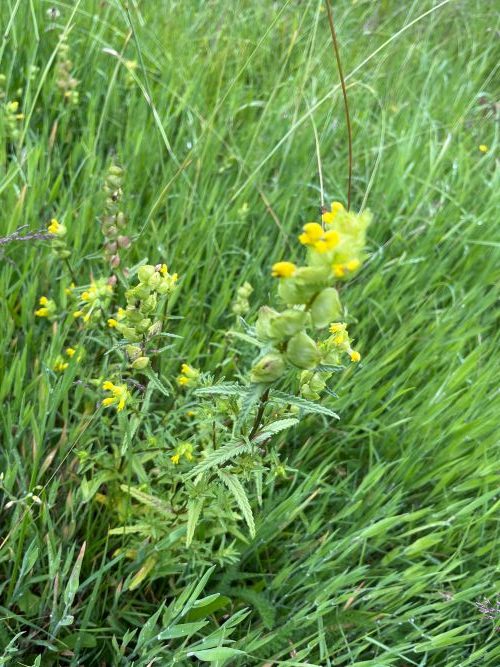
We also had a mind-bending session all about yellow composite flowers, which tried their best to confuse us with their slightly different (but very similar!) names and looks! I think most of us would agree – these flowers are a work in progress!
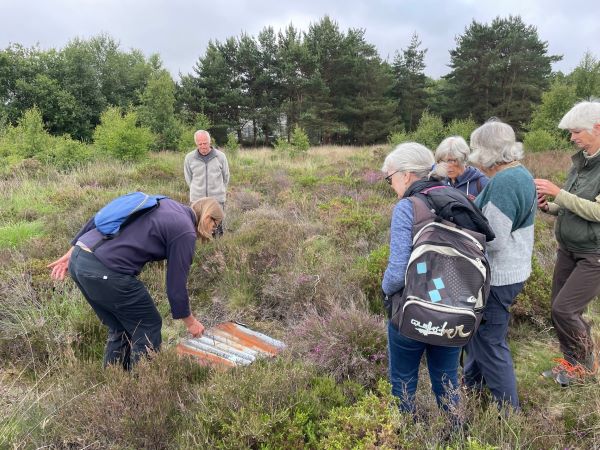
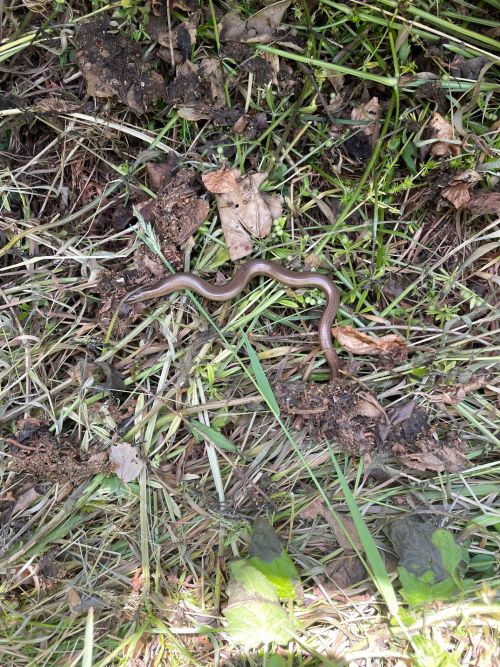
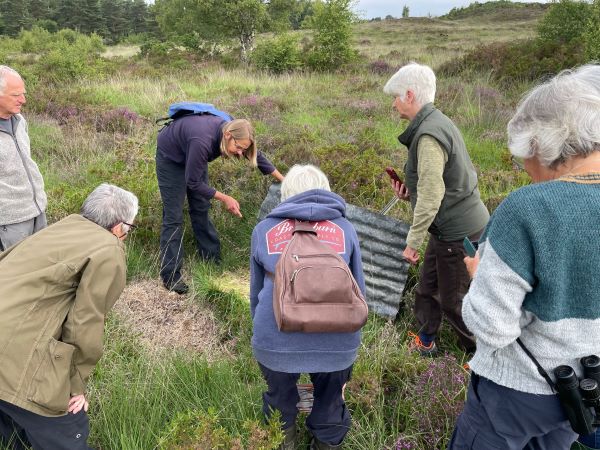
A big thank you to WW Betina for leading a great session on reptiles at Bovey Heath. We all held our breath as the corrugated sheets were lifted – and were thrilled to spot plenty of slow worms (and ants too!) It was fascinating to learn more about the reptiles in our local area – their preferred habitats, what they eat, and sadly, just how much they’re in decline. Betina also told us about the Devon Amphibian and Reptile Group, who are always looking for more people to get involved.
Making Churchyards Fabulous: A visit to Lustleigh church and cemetery
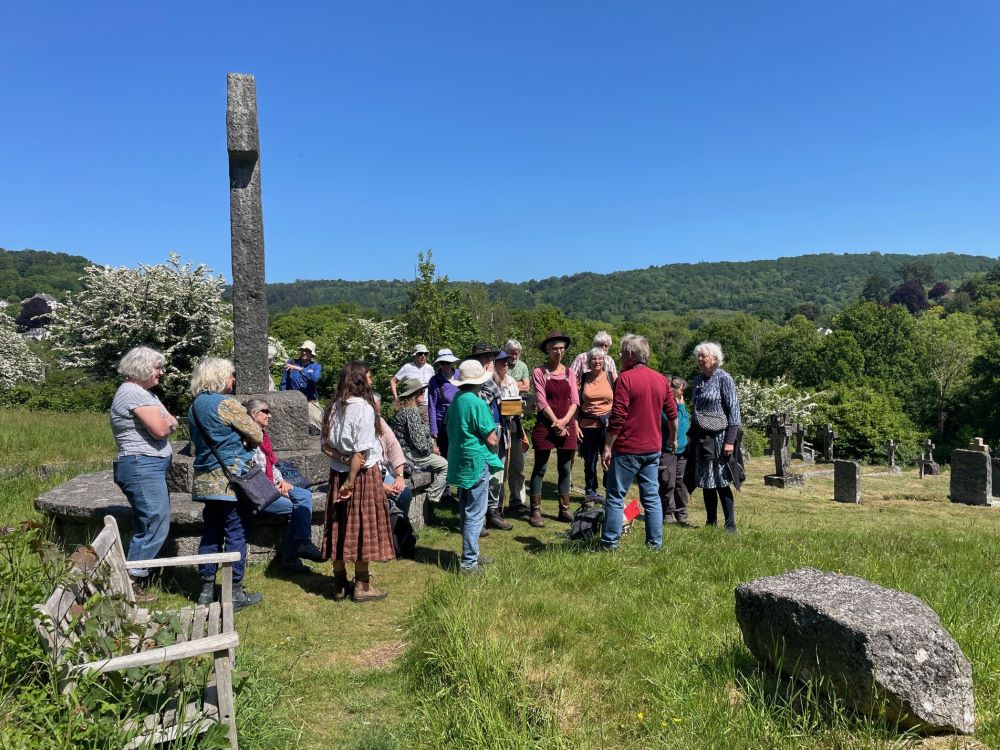
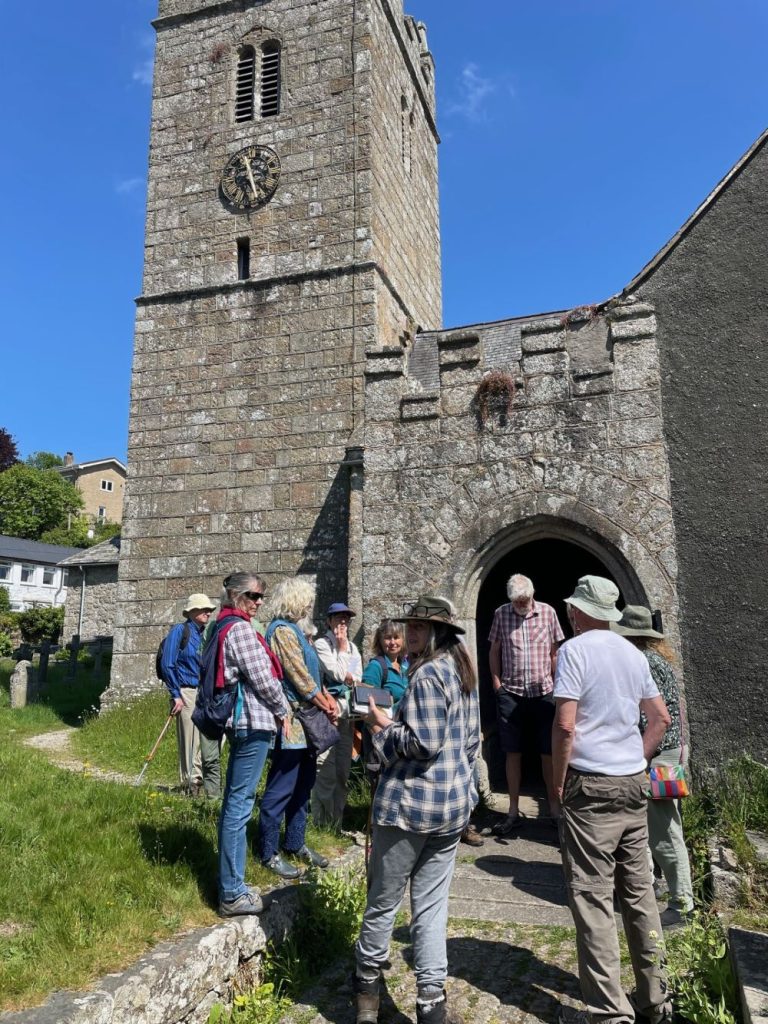
We had a glorious day in June at Lustleigh church and cemetery with a large group of Wildlife Wardens and others keen to support their local churchyards. We’re really grateful to Kelvin Boot for leading such an informative and enjoyable training session for us all.
Kelvin has been working with churches across Devon, helping them to see how these sites can be managed in ways that work for both people and wildlife. Understandably, some people can be hesitant about changing how these spaces are looked after – there’s often concern that it will look messy or unmanaged, resulting in complaints. As churchyards are used so many different ways, there is always a need for balance – ensuring everyone can use the space in the way they need.
Churchyards do have so much potential though. Many are like quiet time capsules, with old seed banks lying dormant beneath the surface, just waiting for the right conditions to grow again. With a few changes to how key areas are managed, these long-hidden plants can return – bringing other wildlife with them.
Take a look at the brief notes and ideas from the session. It’s been great to hear that as a result of the event, Kelvin has visits planned to both Dunsford and Ipplepen churchyards in the upcoming months.
We hope that WWs can continue to support their local churches. If you have a connection to your church and would like Kelvin to visit and give specific advise, please get in touch.
A farm for nature: Wildlife Wardens share their space
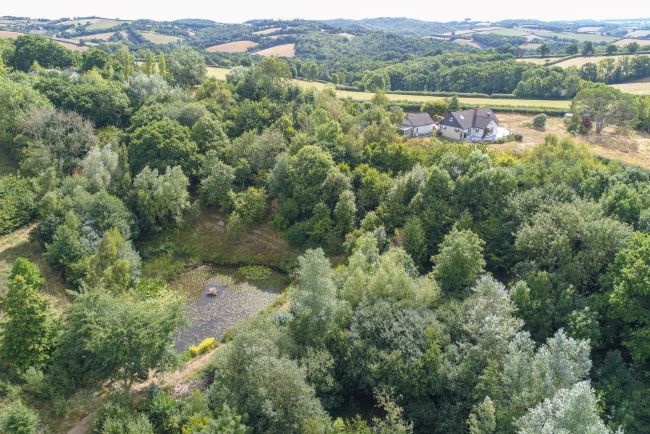
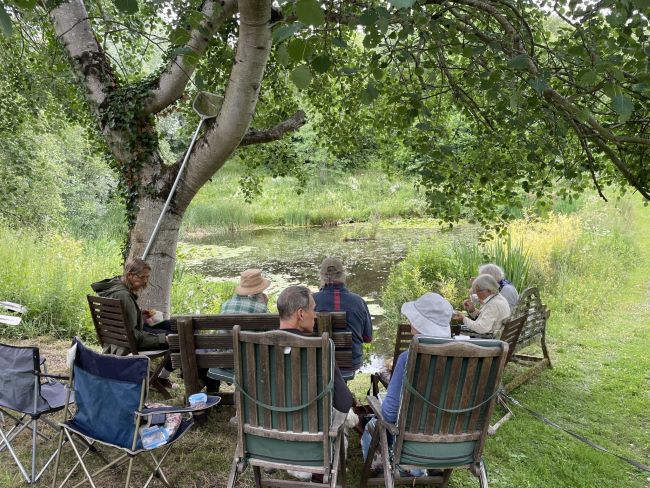
We were so grateful to Wildlife Wardens Helen and Glyn for welcoming a group of fellow wardens to their beautiful farm for a tour and picnic back in June. The couple bought the 16-acre farm in spring 2019 with a vision to transform the land into a thriving habitat for wildlife over the next 20 years.
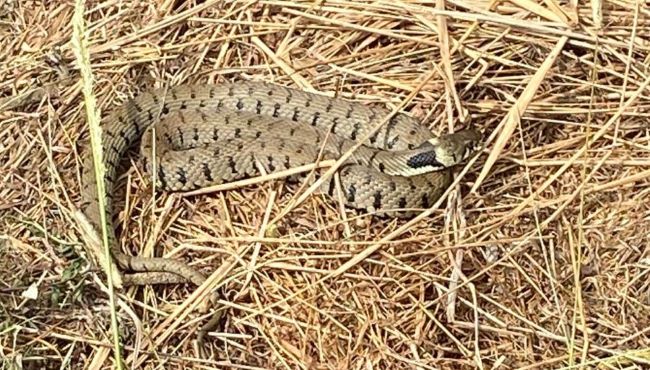
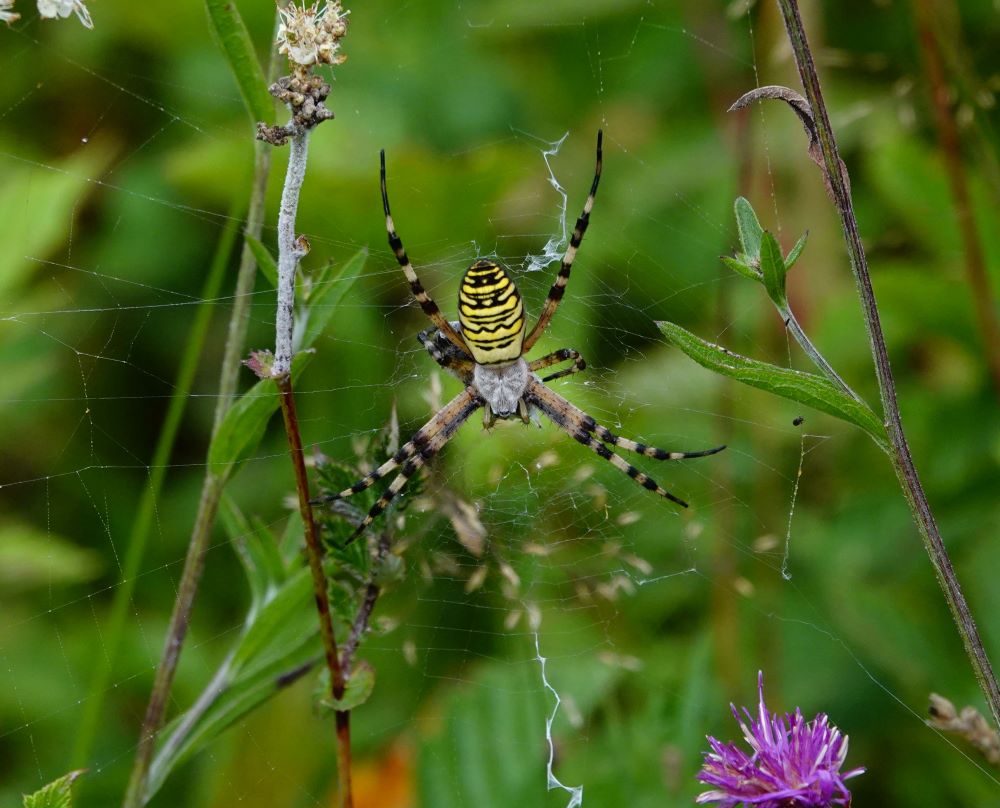
It was a glorious morning with stunning views over the Dunsford area. The meadows were alive with nursery web spiders, hundreds of Roesel’s bush crickets and meadow grasshoppers. Butterflies were everywhere – small skippers, marbled whites, commas, red admirals, ringlets, and meadow browns, alongside the day-flying six-spot burnet moths. A real highlight came when Glyn lifted one of his corrugated sheets and revealed a beautiful grass snake, which quickly slipped off into the undergrowth!
During our visit, we noted down an impressive 108 plant species and 21 different bird and insect species! A huge thank you -and well done – to Helen and Glyn for all their hard work in making this such a special place for wildlife. We hope to visit again!
Support Newton Abbot tree micro-nursery
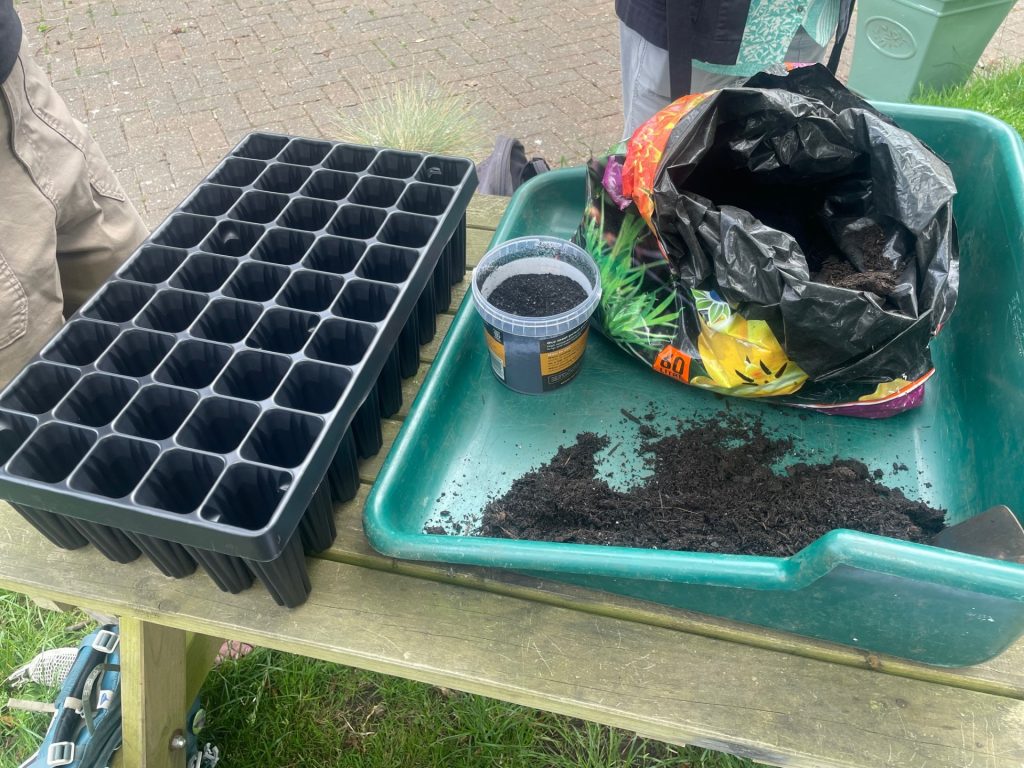
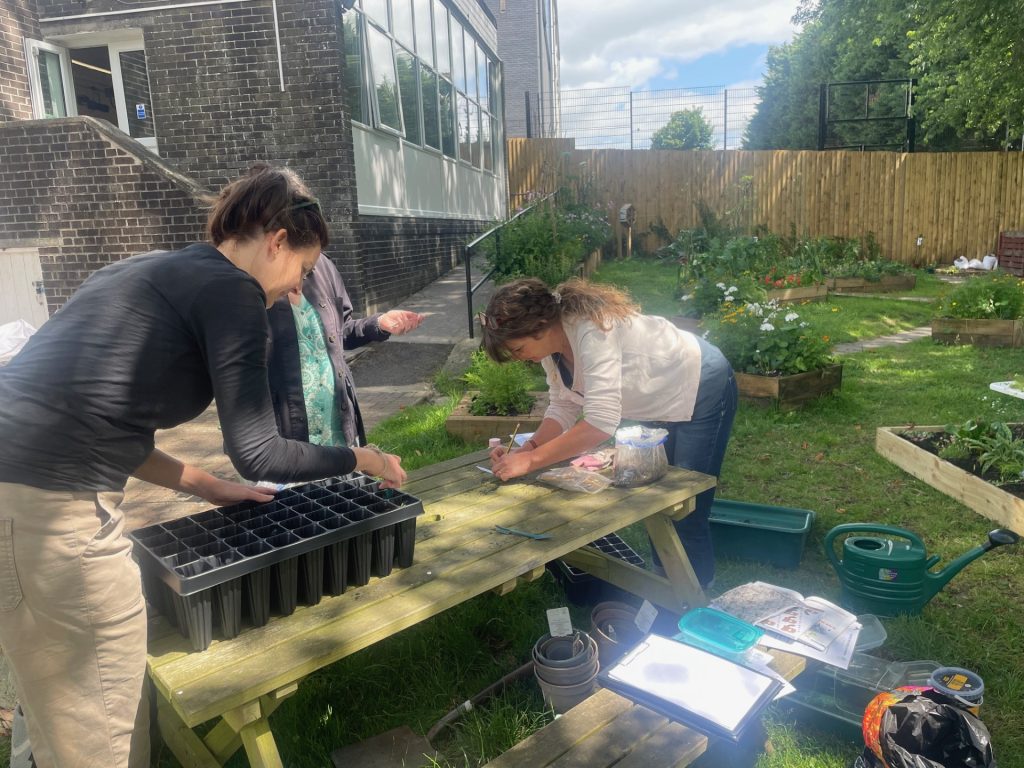
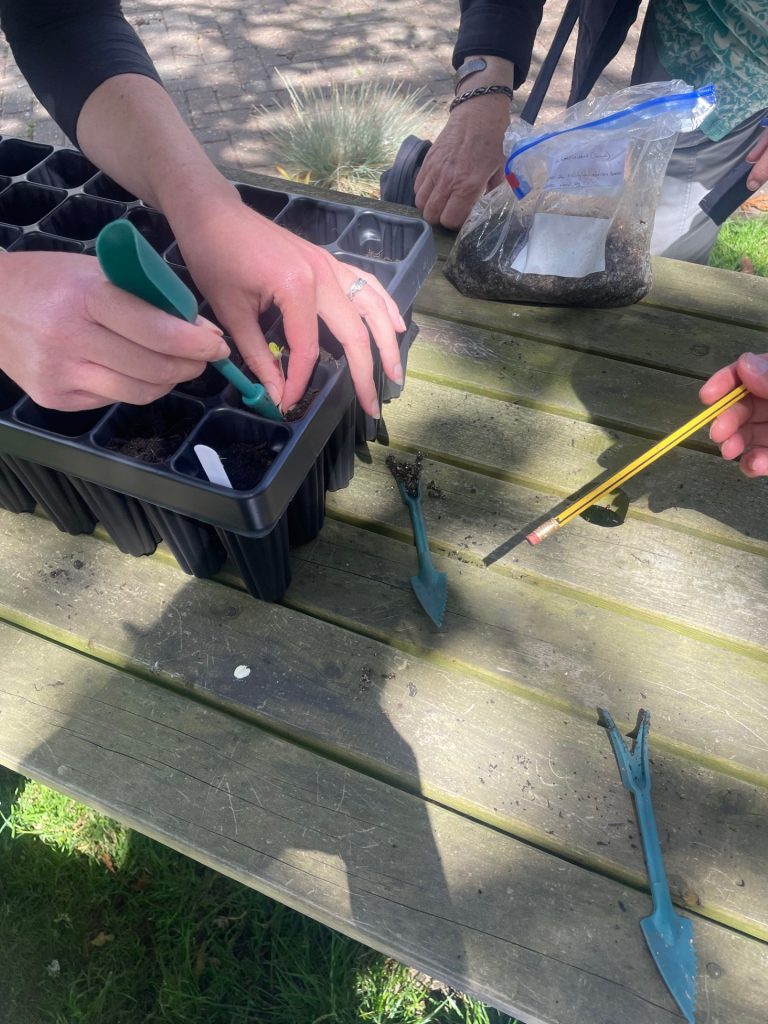
Thank you so much to Linda from the Newton Abbot Seed Library for running a friendly session for Wildlife Wardens, all about tree seed collection and growing in a micro-nursery.
Linda has set up her tiny tree nursery, behind the Courtenay Centre in Newton Abbot, with funding from the Devon Treescapes project. She hopes to grow trees from seed to support regular tree giveaway events from winter 2026. She could also grow on saplings for WWs to take back to their parishes.
Collecting a few tree seeds here and there when you are out and about can be easy to do – it could also be a good activity to get children and schools involved.
Linda is looking for seeds from smaller, native trees that can be grown in gardens or used for hedging. Her top picks include rowan, hawthorn, hazel, crab apple, silver birch and spindle.
Moor Trees have created a great handout which includes key points and ID guides for tree seed gathering. You can find a copy here.
Please do get in touch if you’d like to get involved – it would be wonderful if lots of wardens could support this project.
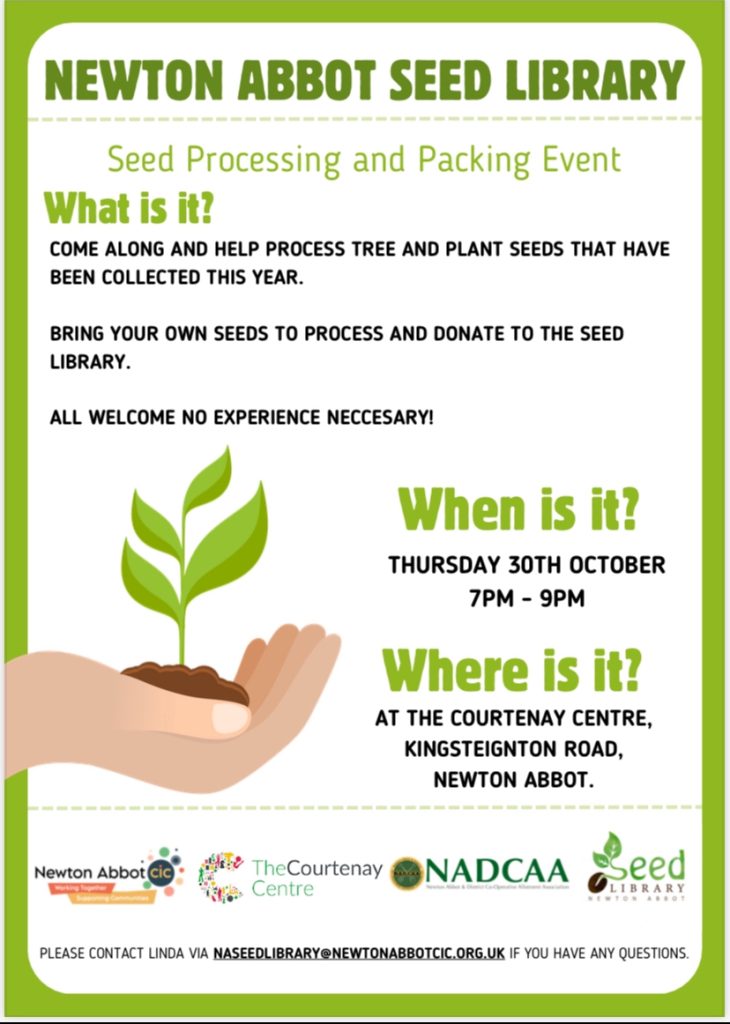
Linda will be hosting a seed processing evening on Thursday 30th October where you can bring along any seeds you have gathered (although, ideally getting them to Linda as soon as possible is best!)
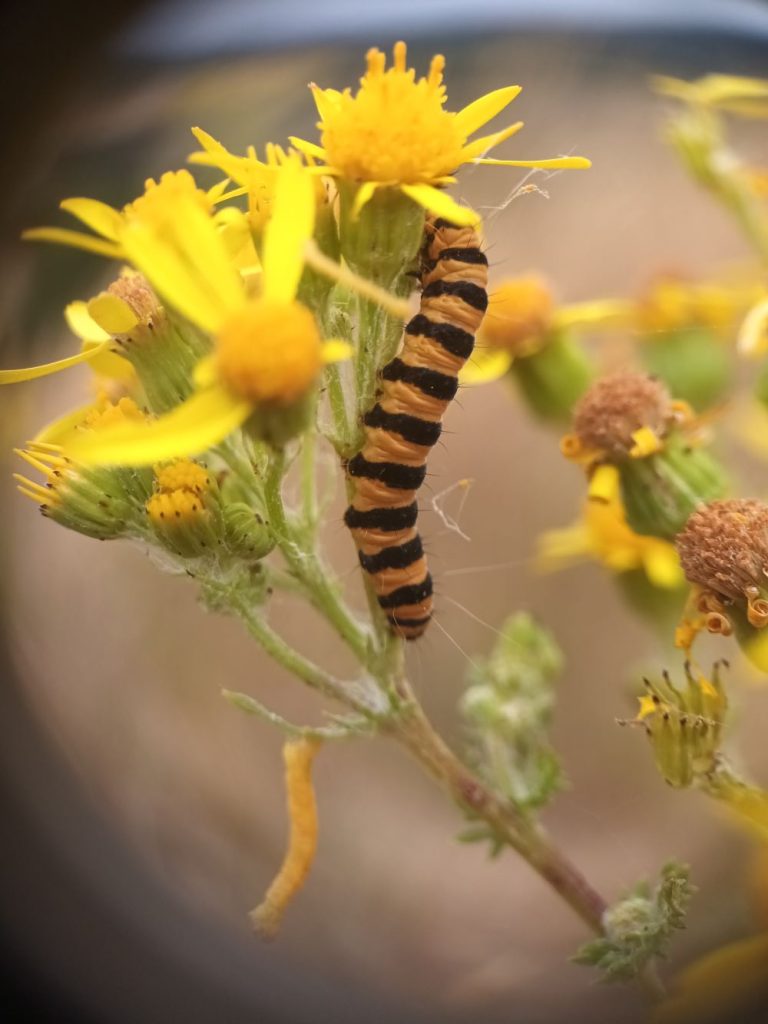
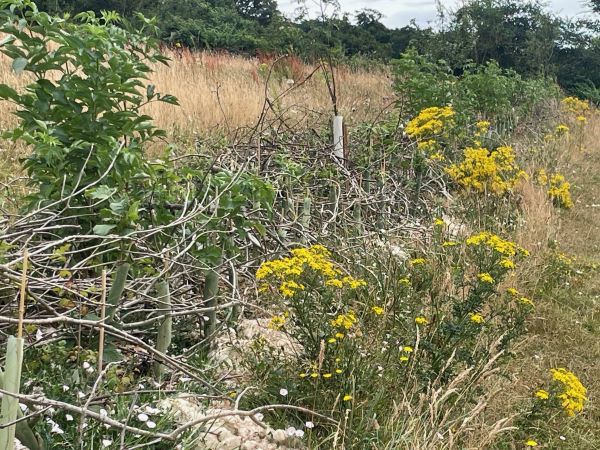
Exploring Dawlish Water community orchard
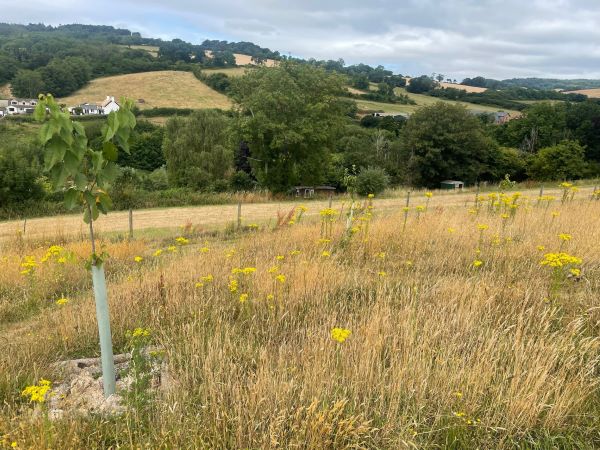
A big thank you to Wildlife Wardens Ric, Jo, and Tim – along with Rex – for welcoming a group of fellow wardens to their site last month. The aim was to gather as much information as possible about species currently there, to help them see how things change over time, as their work on the site progresses.
It’s been so inspiring to follow the updates from this site in past newsletters. A fabulous hedge was planted last winter which has been has been mulched with compost, cardboard, mushroom waste and sheep’s wool with a barricade of brash, along with over 70 fruit trees in the Orchard. Middle Earth, the next field, was planted with a majority of hazel, plus oak, birch, Scot’s pine, wild pear, crab apple, hawthorn and rowan. More trees were added to a wet field – alder buckthorn, willow, alder and hazel, with guelder rose doing especially well. The range of species were chosen for their suitability to each area and now with increasing cover, come more birds. For the first time there are sky larks, with meadow pipits, song thrushes, linnets, willow warblers, goldcrests, greenfinch and blackcaps. A white-tailed eagle was seen, but didn’t linger … While we were there, a kestrel was spotted hovering overhead, and it was great to hear this year’s youngsters have been spotted regularly too.
We had a great morning, heads down, identifying plants and wildlife. By the end, we’d recorded over 40 species of birds and insects, along with nearly 70 different plant species! Reaching the top of the site, we were rewarded with an incredible view out over the Exe Estuary and back towards the wooded slopes of Haldon. We then headed back down and enjoyed sit down, chat and cuppa!
It’s clear how much hard work has gone into the site, and the team’s enthusiasm for the positive changes is a joy to see. We really look forward to watching how it develops in the coming years.

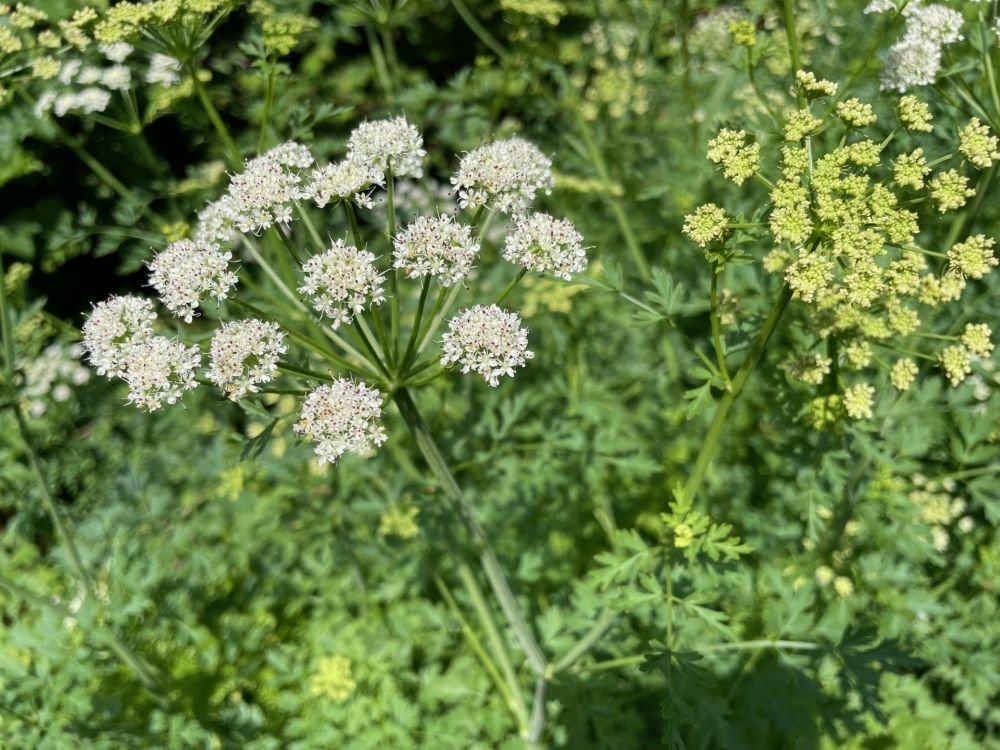
Umbellifer ID Training: Safety and Awareness in the Field
We recently ran a special training session focused on the umbellifer family of plants. These species are easily recognised when in flower by their distinctive umbrella-shaped flower clusters — think cow parsley!
Umbellifers include many familiar native plants that grow in hedgerows, woods, fields, roadsides, footpaths, and along waterways. Some are incredibly useful — like carrots and parsley — while others, such as hemlock and hemlock water-dropwort, are highly toxic.
During the session, Audrey got everyone thinking carefully about how to identify different umbellifers: how to describe them, where they grow, and when they flower. Afterwards, we went for a hunt on the farm to see how many species we could spot!
After lots of reading and research, Audrey and I have come to appreciate the serious risks that some of these plants pose. Hemlock and hemlock water-dropwort are extremely poisonous, whilst others – including hogweed and even cow parsley – can cause severe skin sensitivity to sunlight, leading to painful burns, slow healing, scarring, and even recurrence with sun exposure.
Given these risks, we’ve updated our safety guidance, which you can access here. As the dangers to both volunteers and the public are significant, we ask that Wildlife Wardens do not cut or handle these plants unless they’ve attended our umbellifer ID training and fully understand the limited and controlled situations under which this can be done.
Your safety and the safety of others always comes first!
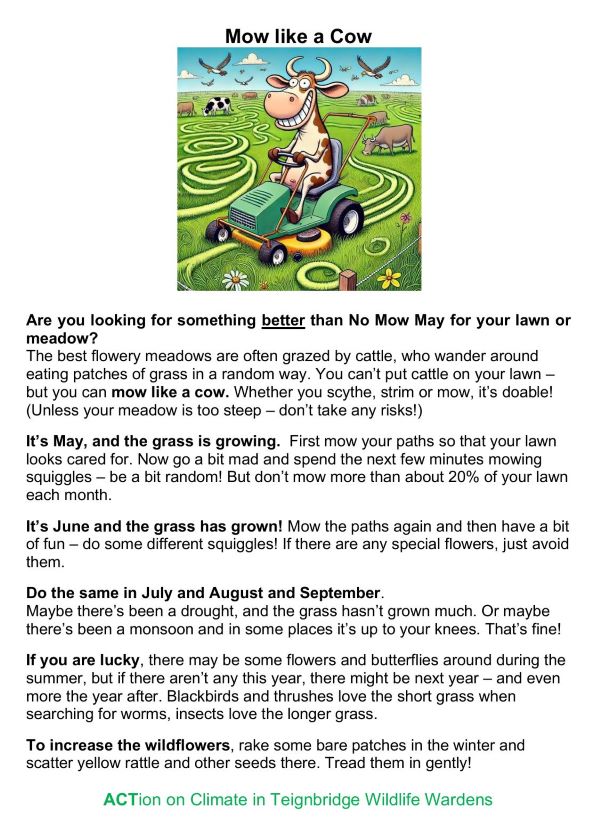
Spreading the Word: Mow Like a Cow!
This summer, we’ve been encouraging people to “Mow like a Cow” – a playful reminder that there’s something even better to do after No Mow May!
Please download our leaflet and help spread the message to friends, neighbours, and your local community.
Teignbridge District Council Joins In – We’ve also been working with Teignbridge District Council to introduce random mowing into some of their green spaces. In spring, we ran a training session for the contractor team, chatting to them about how and why random mowing benefits biodiversity.
Since then, a dedicated group of Wildlife Wardens has been out and about surveying the TDC sites throughout June and July. They’ve collected initial data on the species currently found there. We plan to return in future years and hope to see positive changes in species diversity and abundance.
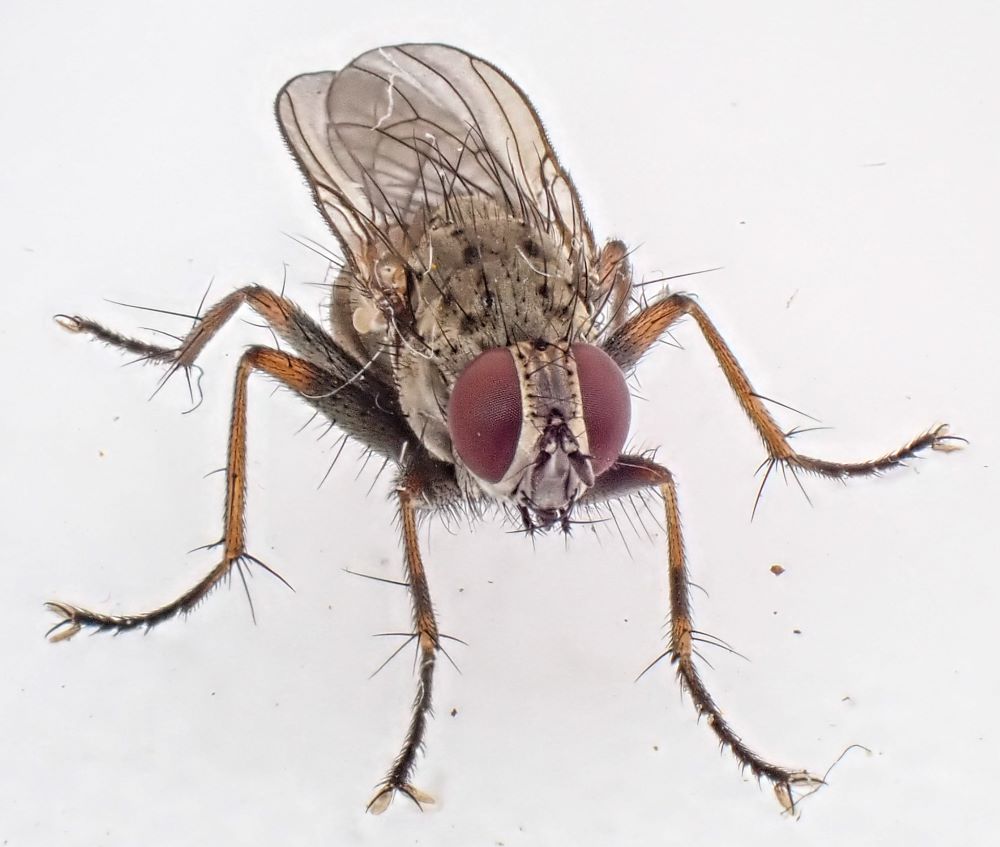
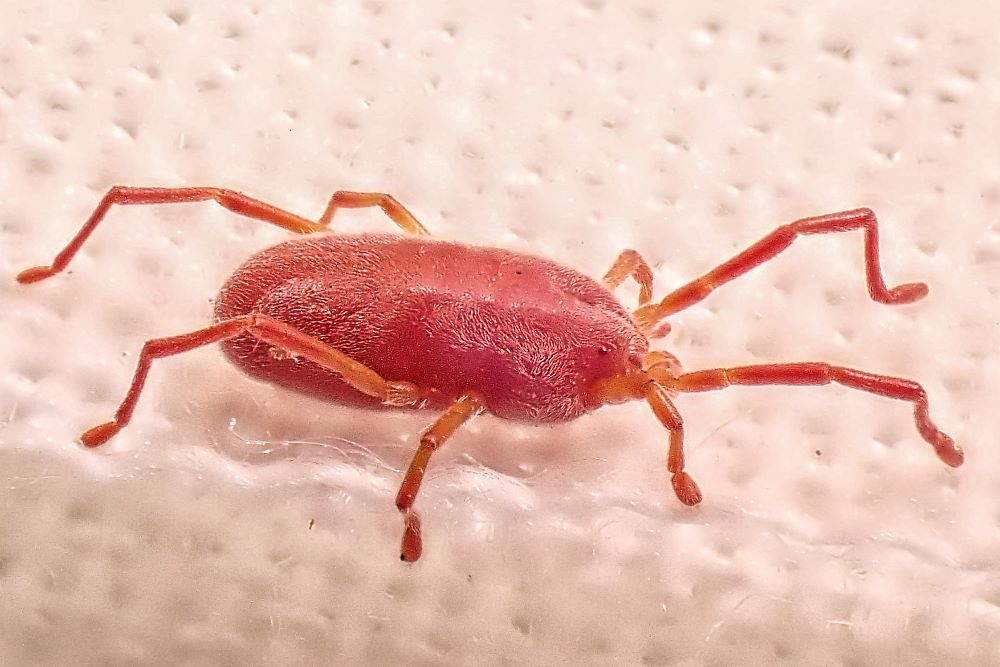
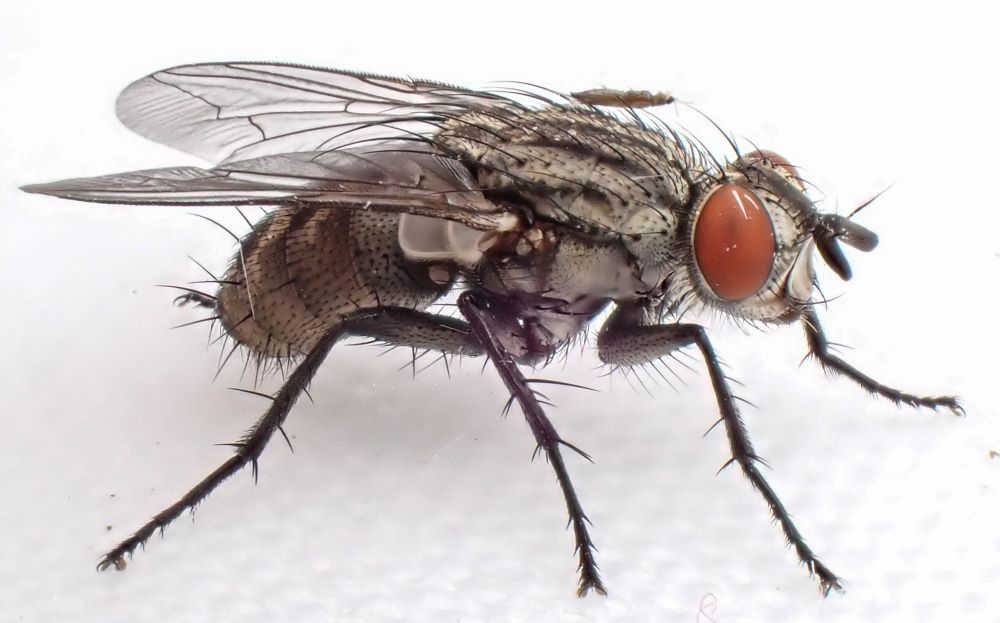
Thank You! Huge thanks to Audrey, Sonia, Helen, Betina, Tess, Sarah, Linda, Julia, Anna, Shira, and Jo for your fantastic efforts – this has truly been a brilliant team effort. Below are some of the stunning invertebrate photos taken by Helen during the surveys.
Book Recommendation
Thanks to Dawlish WW Jo for sending through her book recommendation, “How to Rewild” by Jonathan Thomson.
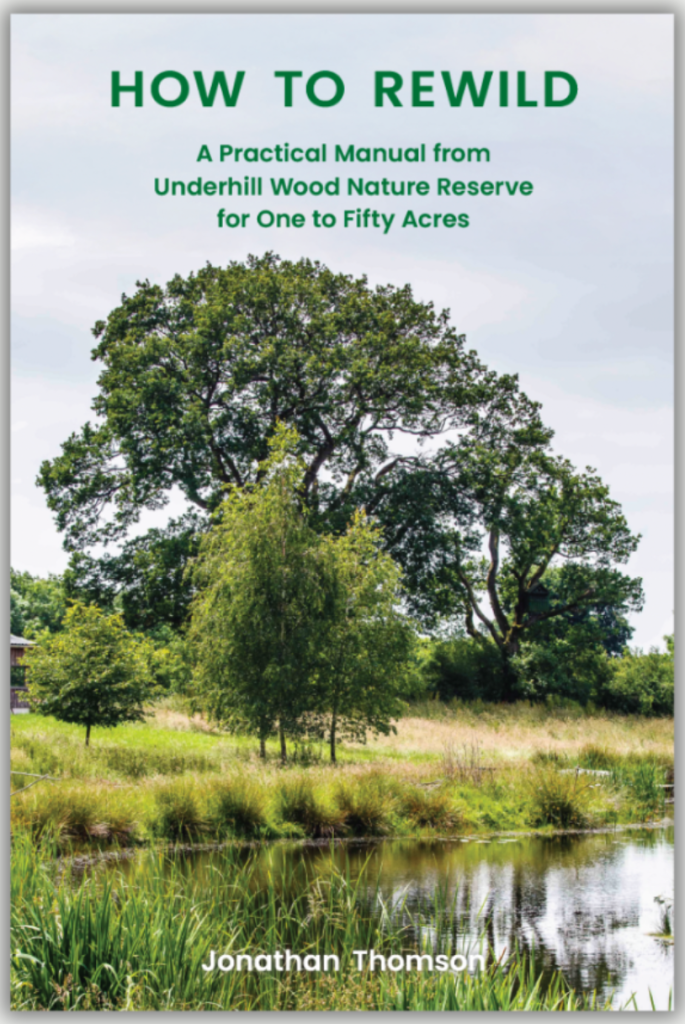
Based at the Underhill Wood Nature Reserve on the Wiltshire / Dorset border. This guy is direct and extremely helpful. He has oodles of ideas and has tried them all out, from Barn Owl enrichment to the glory if the dead hedge – he has advice for every situation. A brilliant small book available from Folde, Dorset.
Dates for your diary
| Sunday 21st September | BIG Wildlife Warden gathering at Moor Barton Wildling – WWs, friends and supporters very welcome! Limited spots for the tours – book your place here! |
| Date TBC Oct/Nov | WW Fungi expedition |
Round up of Wildlife Warden activity across Teignbridge
Wildlife Warden Survey Team
Our brilliant team of Wildlife Wardens from across Teignbridge has been busy carrying out surveys for County Wildlife Sites, the Big Devon Meadow Count, TDC sites, and bioblitz events. It’s been a fabulous team effort with lots of shared learning and fun! A huge thank you to Helen, Sonia, Julia, Shira, Tess, Jo M, Val, Betina, Linda, Sarah, Jo G, and Anna – your time and expertise are hugely appreciated!
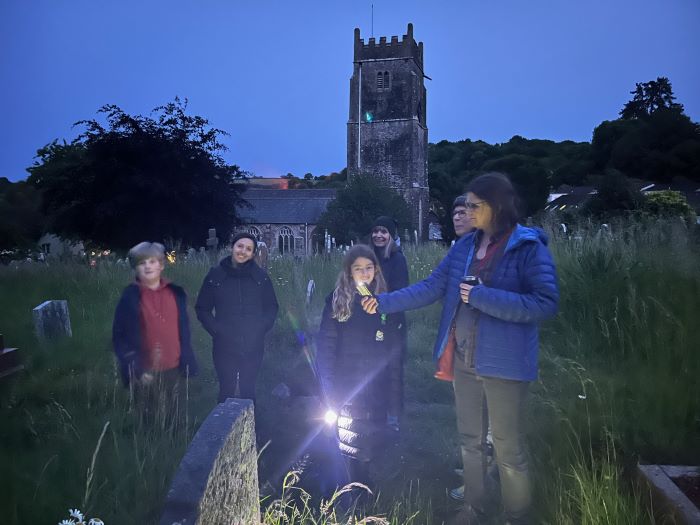
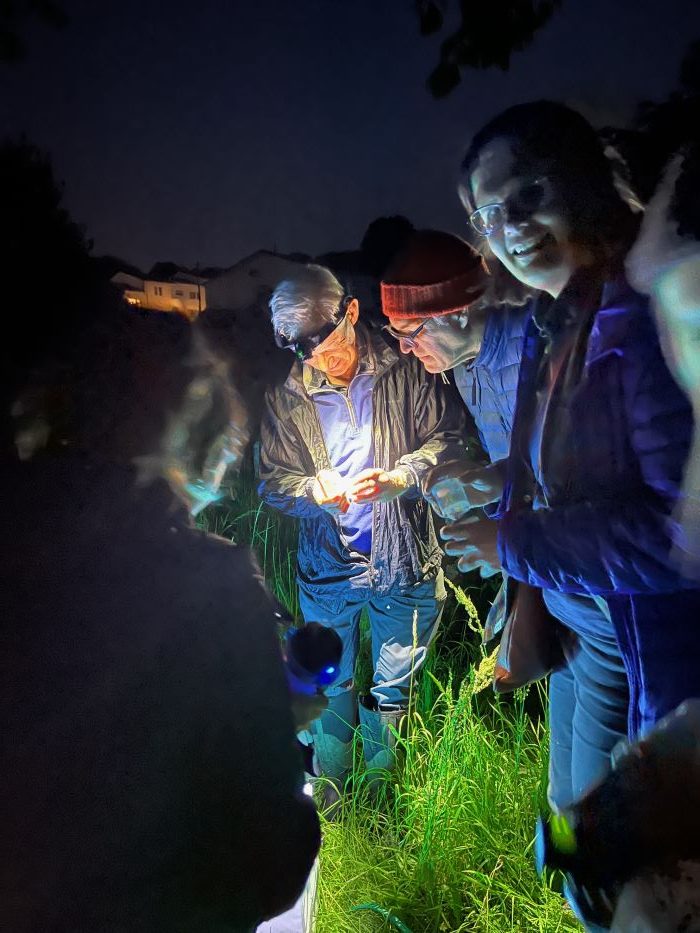
Abbotskerswell WW Emily and the Abbwild team have been busy! A few months ago, they ran a second-hand clothes swap and whilst not directly wildlife-related, it promoted sustainable living and carbon reduction, which of course benefits wildlife. The big highlight was an afternoon and twilight bioblitz in the local churchyard, with local experts and community members coming together and recording as many species as possible. A total of 143 species altogether! Findings were uploaded to a group function in iNaturalist, making it easy to track and share results. Emily has since shared her experience with other Wardens running similar events this summer. Emily and Abbwild have also been working on the local wildflower areas and community orchard with plans for a Sept clothes swap.
Ashburton WW Elaine will once again be offering her “Wildlife Gardening” talks to other parishes through autumn and winter. With a background in garden design, Elaine previously worked with the London Wildlife Trust, where she helped design and manage their award-winning Centre for Wildlife Gardening in East Dulwich. Her relaxed and accessible talks are a great way to get people thinking about how they manage their garden spaces. Get in touch if you’d be interested in Elaine coming to talk in your parish.
Ashton WW Shira has helped survey several unconfirmed County Wildlife Sites and supported other Wardens with meadow surveys as part of the Moor Meadow “Big Devon Meadow Count”. She also created the “Murder in the Garden” stand activity and will be giving a talk based on this for the Teignmouth Gardening Club this month – we look forward to hearing how it goes.
Bishopsteignton – Welcome to new WWs Kirstyn and Laura, it’s great to have more aardens for the parish! The WW team are looking to run some talks for their community over the autumn and winter months – please get in touch if you have any speaker suggestions for them. Kirstyn has also been keeping an eye on a local planning application and building links with the local school with plans to run a bioblitz there in the future.
Bovey Tracey – WWs Janet, Andrew and Linda (Ilsington WW) took part in the Great Big Green Week back in June, running a Wildlife Warden stand at the event. Huge thanks to all of you for your help and time!
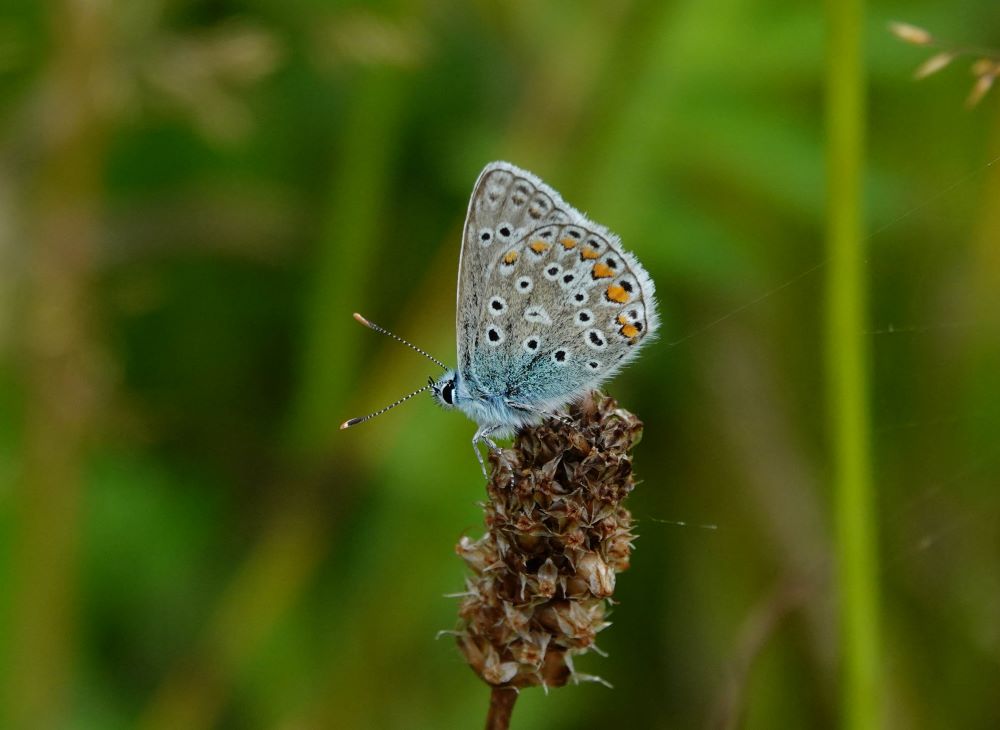
Bridford WW Lucy has been working with the Parish Council and residents after a few concerns were raised about some of the “messy” wildlife-friendly verges. Plans for next year include adding more yellow rattle and using random mowing to help strike a better balance. The good news is that most locals are happy with longer verges, so ongoing chats should help keep everyone on board. Lucy is also keeping an eye on a local planning issue.
Buckland-in-the-Moor WWs have been working closely with parochial church council (PCC) to raise concerns about pesticides being used as part of churchyard management.
Chudleigh WWs worked hard to get their gardens looking tip top for this year’s Chudleigh Open Garden event. They spent time chatting with visitors about wildlife-friendly gardening, sharing tips on creating habitats and going pesticide-free. Overall the open garden event was a great success for the Chudleigh Wild group.
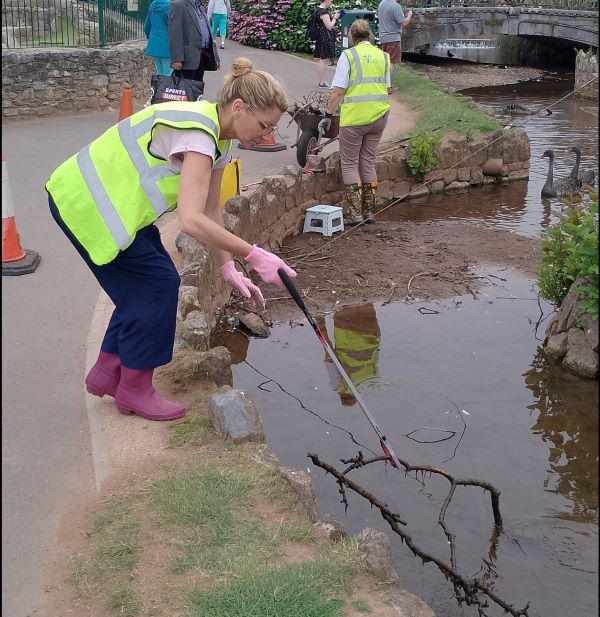
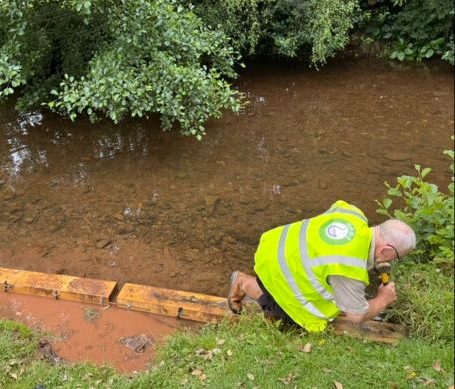
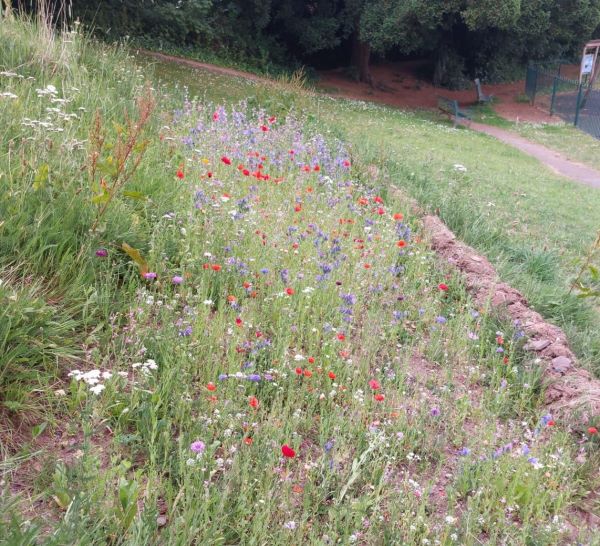
Dawlish The WADE team has been hard at work along Dawlish Brook this summer included regular litter picks, wildflower planting, bank restoration, water quality testing and silt removal in key areas. It’s been a brilliant team effort to improve the health of the Brook for both people and wildlife.
It was a real pleasure visiting the Dawlish Water Community Orchard last month with Wildlife Wardens Ric, Jo, and Tim, and seeing the great work they’ve been doing. Thanks also to Pete and Mariya, who’ve been helping with planting at the site too. It’s been wonderful to see local Wardens connecting and supporting each other’s projects.
Dunsford WWs Julia and Pip continue to organise regular wildlife meetings with other interested folk in the Teign Valley area. This has become a monthly event and is a great way for people with a shared passion to share sightings, recommend books and events, and raise concerns – Himalayan balsam was a recent one. Following recent training at Lustleigh churchyard, Julia invited ecologist Kelvin Boot to Dunsford churchyard for inspiration and advice.
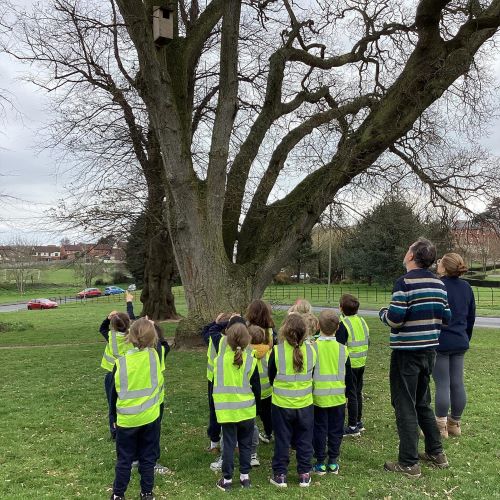
Exminster WWs and Greenspaces team had a lovely time visiting Exeter Pre-Prep, chatting with Year 1 and 2 kids about birdsong and looking at nest boxes around the village. Back in April, a small but eager group joined a local ornithologist for a dawn chorus walk, spotting or hearing over 20 different birds in the village.
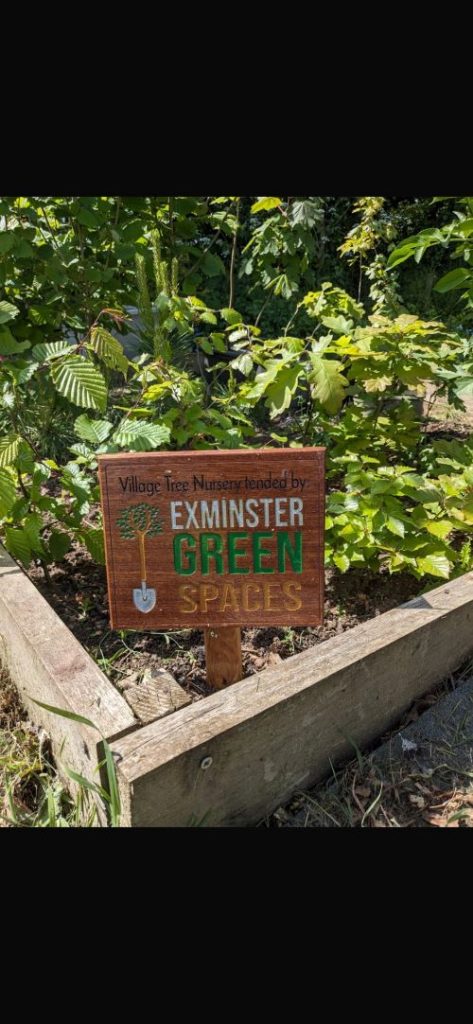
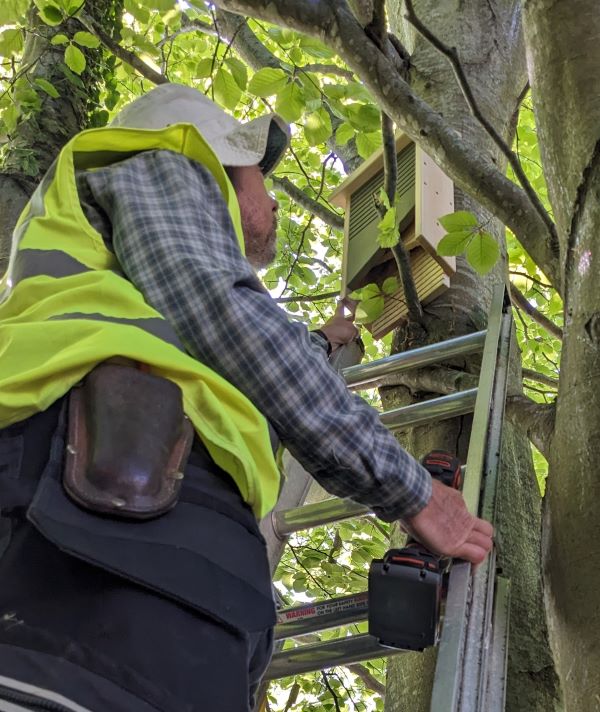
One of the Greenspaces volunteers kindly made some beautiful plaques, which are now up around the village – including at the mini tree nursery, helping to flag work of the Greenspaces team. There have also been working parties at St Martin’s Churchyard, putting up a bat box high in a beech tree, planting foxgloves, and marking out a wildflower “no mow” area with willow sticks.
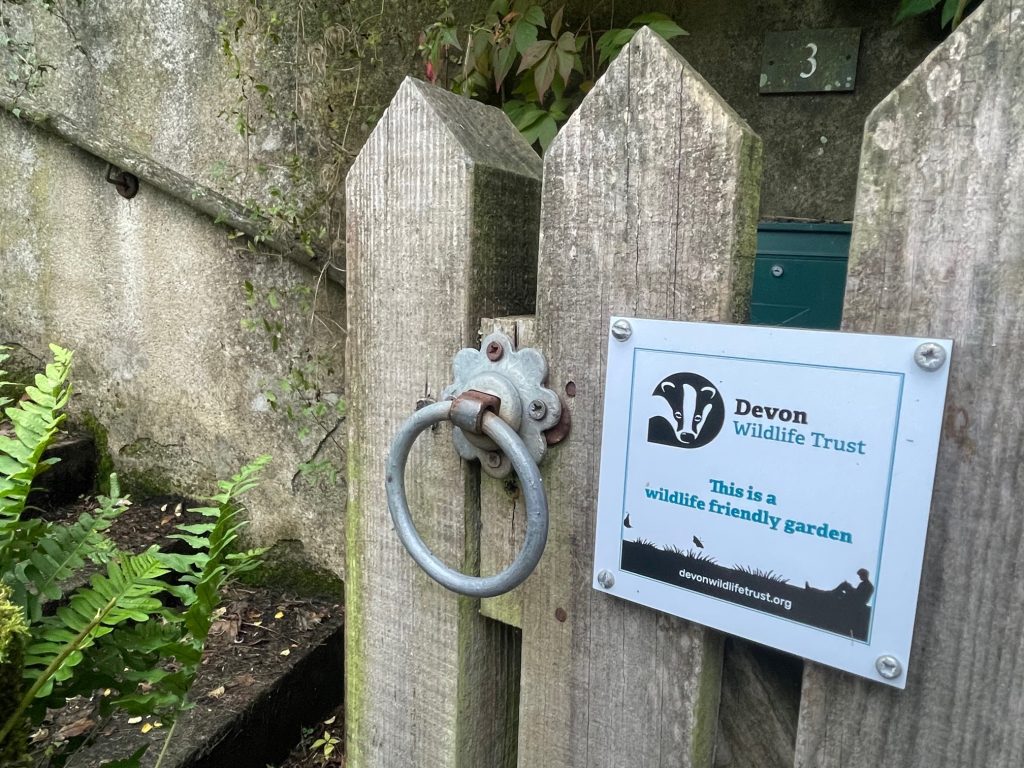
Ideford WWs have helped organise an Open Gardens event, showcasing gardens in the parish that have received a DWT Wildlife Garden Award. Hettie from DWT was there on the day to offer advice to visitors. They’re also working to develop a biodiversity database as part of the Ideford Parish Biodiversity Plan.
Ilsington WW Sheree hosted a busy open garden event last month, welcoming hundreds of visitors and sharing her wildlife-friendly gardening ideas. Meanwhile, WW Dawn led another brilliant local walk, this time exploring Emsworthy Mire near Haytor with guide Andrew Taylor from Devon Wildlife Trust. A group of around ten locals enjoyed learning more about the site’s history and wildlife, spotting plenty of plants and insects along the way. Dawn has another walk planned soon with a Dartmoor ranger. WW Linda helped to run the DWT and WW stands at the Bovey Green week back in June and continues to do regular water quality testing in the parish.
Ipplepen Welcome to new WW Chris, who’s also part of the Ippleplanet group – lovely to have you join us! Following Kelvin Boot’s visit and training session at Lustleigh churchyard, a follow-up visit to Ipplepen has been arranged – we’re looking forward to hearing how it goes. WWs and the Ippleplanet team also ran a stand at their village event last month, using Wildlife Warden materials and activities, with a steady stream of interest throughout the day – well done to all involved!
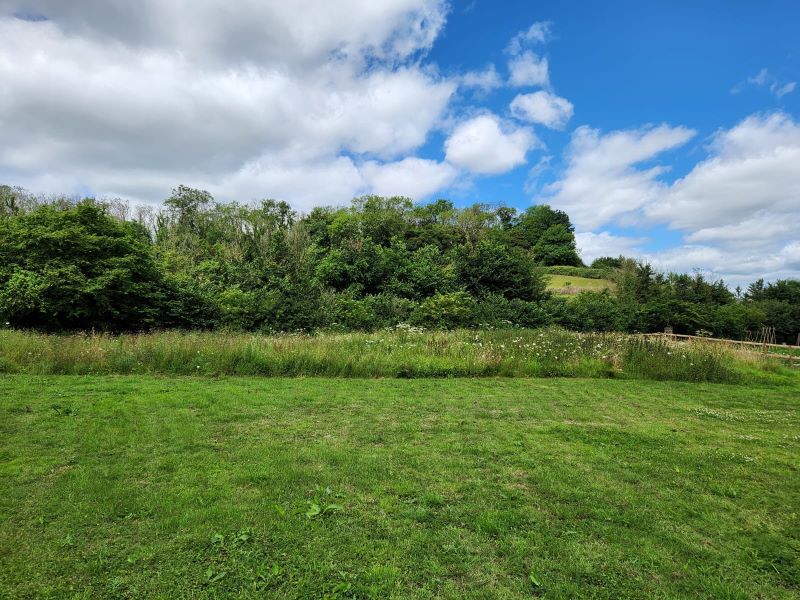
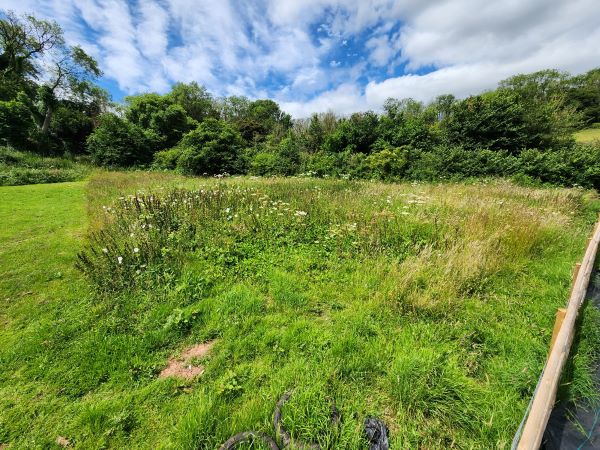
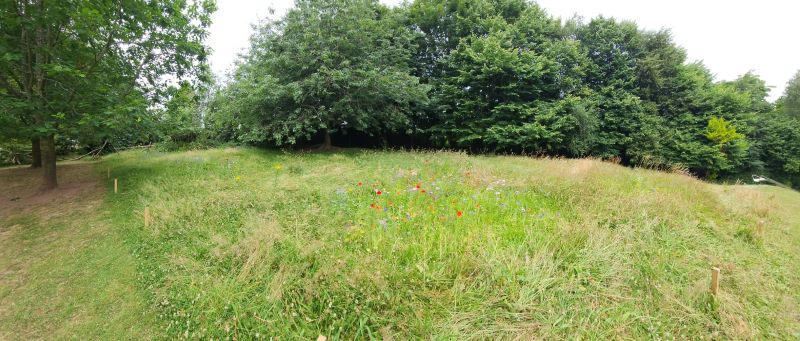
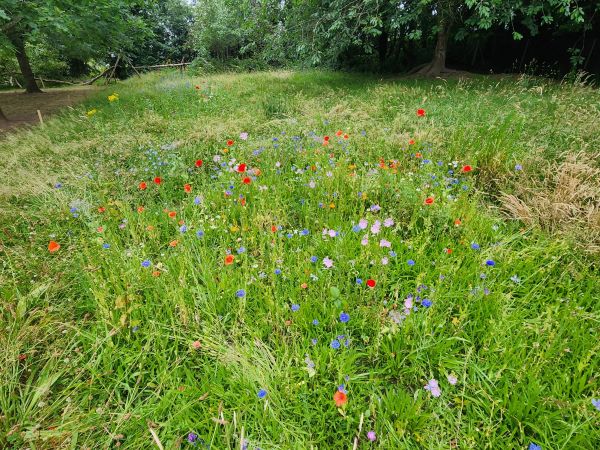
Kingskerswell WW George has been working closely with the Parish Council to create a large wild meadow area in a PC owned field, with plans to add fruit trees soon. The site is already thriving and acts as a valuable habitat corridor, thanks to its location near a large woodland and other wild areas. George has also been helping Decoy School, where the school meadow is looking fabulous too. Excellent work all round!
Kingsteignton WW Hanna re-marked the Kingsteignton Nature Trail route ahead of the summer holidays for families to get out and enjoy. WWs Hanna and Robin had a stall at a local event spreading the word about the Kingsteignton Wild group, giving away nature trail leaflets, information about wildlife and wildlife friendly gardening. A variety of nature craft activities were really enjoyed by children. They have also started raising awareness about the Sibelco quarry expansion and shared a poster from the local campaign group.
Lustleigh and Moretonhampstead WWs Bee and Rachel have been working to improve the management of the Wray Valley Trail to better support wildlife. Back in June Bee and myself, alongside members of Moretonhampstead Parish Council, met with the DCC Rights of Way Warden for a productive discussion about more wildlife-friendly cutting regimes. A longer-term plan is to form a Wray Valley Trail group to help monitor the path, protect active nests, and support the trail management. Rachel has also been supporting residents with wildlife-friendly management at Lustleigh cemetery, where she hosted a recent training session.
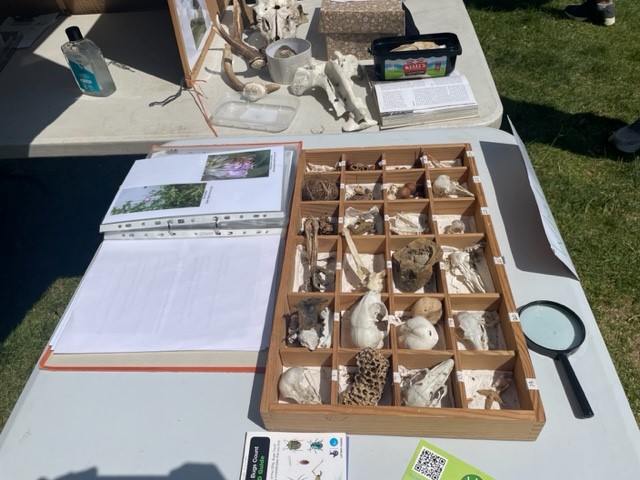
Newton Abbot A big thank you to Wildlife Wardens Jules and Christine for running a WW stand at last month’s Party in the Park. The event saw a steady stream of interest, especially from children who were fascinated by the box of wildlife treasures – always a hit at these kinds of events!.
North Bovey WW Susan does regular surveys in her parish, including water quality, river fly and butterflies and has noted that swifts, hedgehogs and butterflies are doing well this year in her parish. She has organised a speaker for a wildlife gardening talk with an emphasis on butterflies, and plans to encourage locals to record their sightings on the Butterfly Conservation ‘My Garden’ survey.
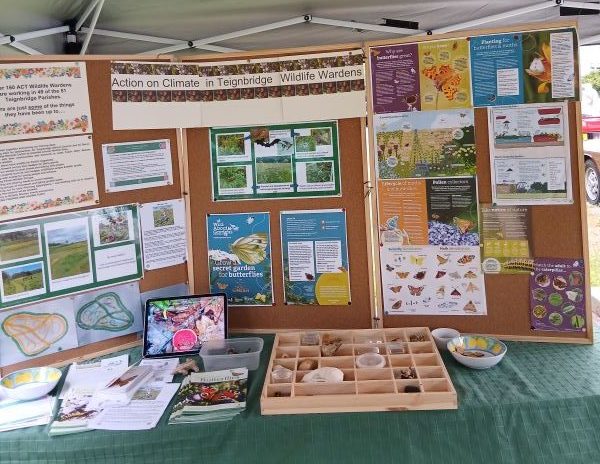
Ogwell In June, WWs Betina and Pauline hosted a wonderful wildlife garden event in Ogwell, where locals toured several nature-friendly gardens and wrapped up with a WW info stand in Pauline’s garden. Thanks to Bishopsteignton WW Sarah for helping on the day too! Betina also organised a successful bioblitz at the community garden and completed the Big Meadow Count survey at Little Green, with support from fellow wardens Sonia and Helen.
Stokenteignhead WW Sam is working with Devon Biodiversity Records Centre on a parish audit survey, with hopes it could be replicated in other parishes. WW Jill has been writing local wildlife articles – one focused on ivy to gently challenge a sceptic – and has organised a visit with ecologist Kelvin Boot to talk bees and biodiversity around the village hall grounds.
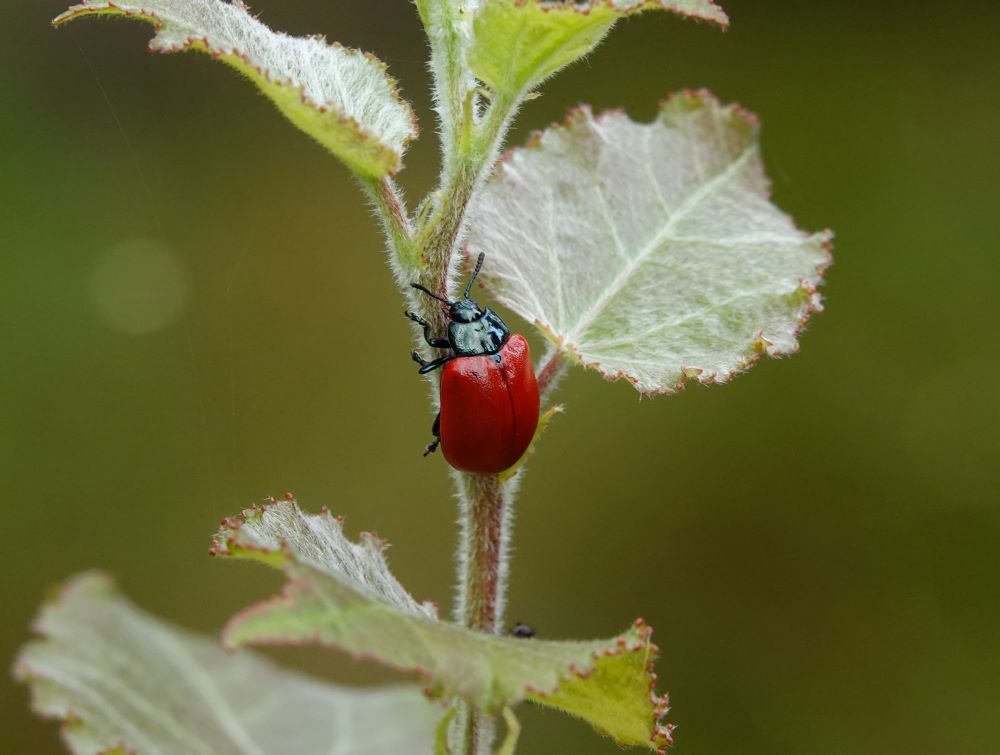
Trusham Thank you to WW Helen who wrote a great report to update us on some of her finds in the churchyard – in particular, moths and moth trap intruders! I particularly love the photo of the Scarce Fungus Weevil which looks like a small twig! Both Helen and Anna have also been helping us with multiple surveys throughout July as part of our work supporting Teignbridge District Council with changes to management at some of their sites to help increase biodiversity. Helen has also helped a fellow warden at a churchyard bioblitz recording invertebrates.
That’s it from us for now – thank you to everyone for your amazing work across Teignbridge over the summer!
…. and don’t forget to take part in the Big Butterfly Count (running until Sunday 10th August) and the BTO Blackbird Survey (running weekly until October) – both are brilliant ways to contribute to national wildlife data.
Have a wonderful summer!
Vicky