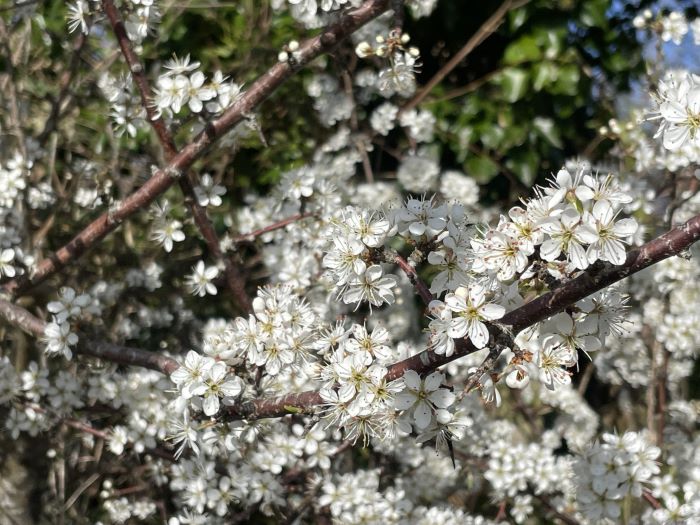
Spring has finally sprung, and it’s been glorious to see the colours returning to the hedgerows and woodlands. I’m enjoying the sights and sounds of bird activity in my garden, as well as spotting the season’s first butterflies, bees and hedgehog poop! It’s always such a fab time of year in nature!
Apologies for the delay since my last newsletter update—there’s been so much wonderful work happening across Teignbridge, I’ve got a lot to share!
In this months newsletter:
- W.A.D.E : A new project for Dawlish
- Mow like a cow! Training session for the council contractor team
- Lichens: A tiny yet huge world!
- Hairstreak, Dormice and Hedgerows: Collaboration with Teign valley landowners
- Swift action!
- County Wildlife Site survey training
- Have you ever wondered how flies fly??!!
- Dates for your Diary
- Can you help with the Wildlife Warden event stand?
- Round up of Wildlife Warden activity across Teignbridge
- .. and finally!
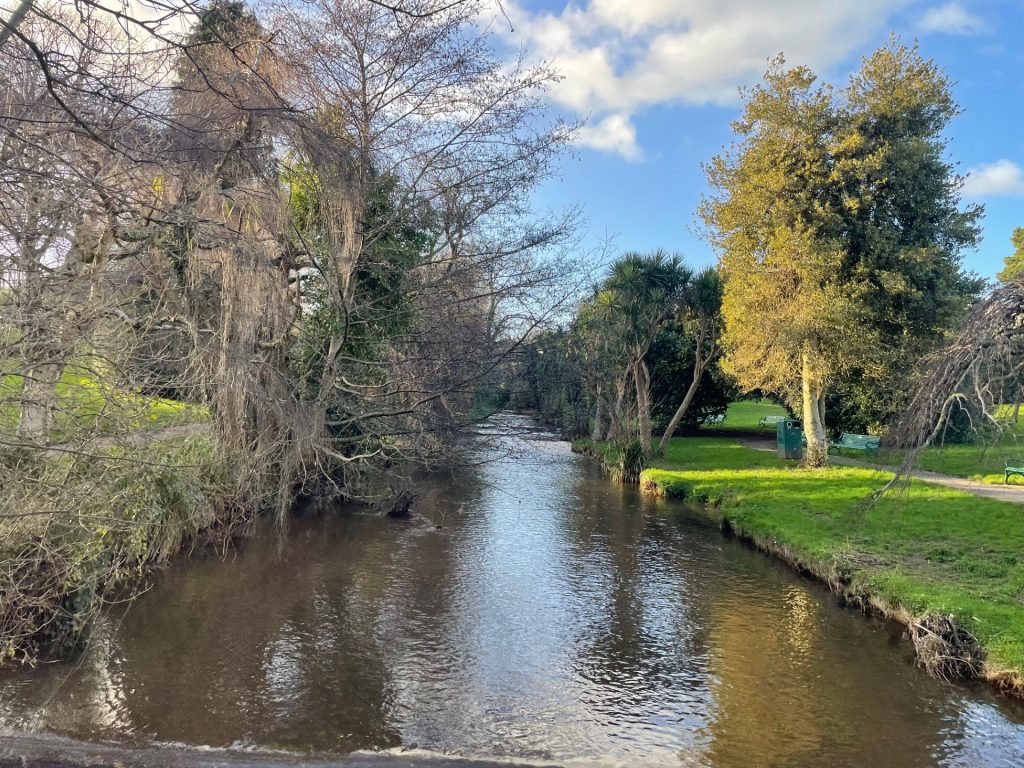

Waterways Around the Dawlish Environment (W.A.D.E) Project
An ambitious new project has been launched by Wildlife Warden and Town Councillor Scott in Dawlish. The Waterways Around the Dawlish Environment (WADE) group aims to get together a band of local volunteers to help care for “The Brook”, which runs through the centre of the town. The group will focus on clearing debris, removing litter, conducting regular water testing, and will be exploring future planting, to support wildlife, along the riverbanks.
So far, there has been a fantastic response to this project, with around 30 new volunteers signed up and receiving training to become wildlife wardens. We look forward to hearing about what they are getting up to in the months ahead. Please contact either myself or Scott if you would like to find out more about getting involved.

Mow like a cow!
Training for the Teignbridge District Council contractor team
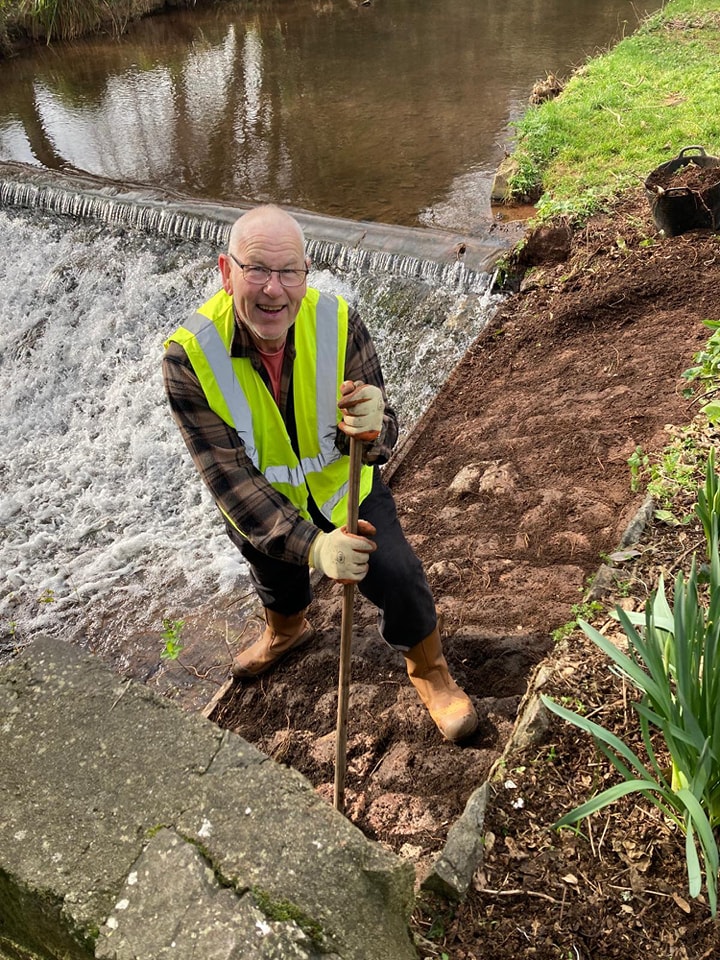
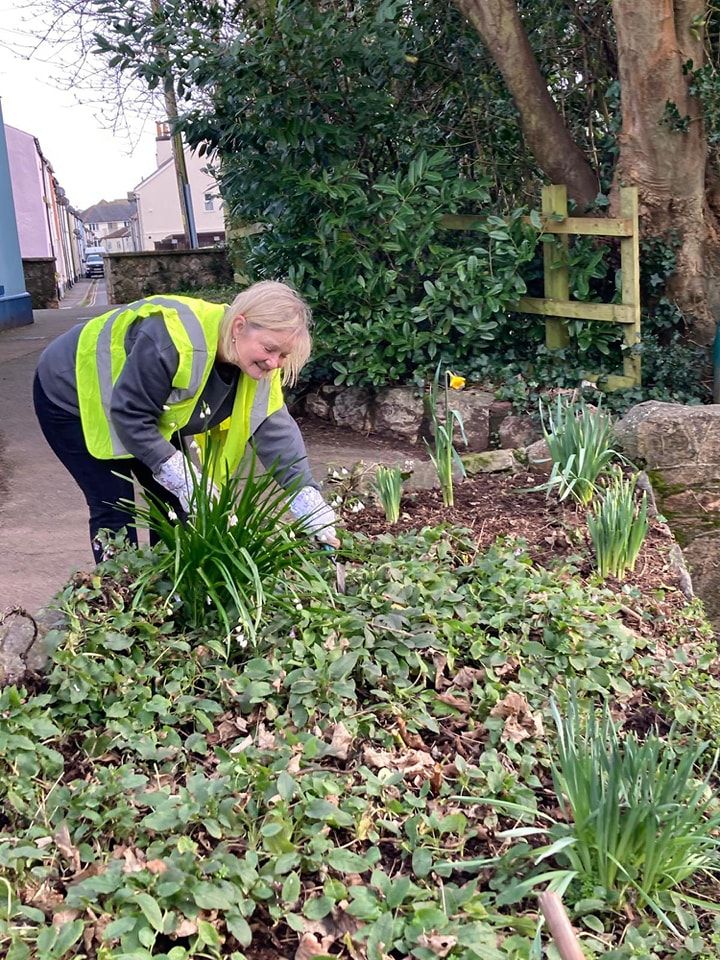
Audrey and I ran an early morning training session for Teignbridge District Council contractors before they headed out for the day. With coffee in hand, we chatted about the benefits of random mowing for biodiversity—how it can mimics the role of large herbivores in shaping the landscape.
This year, Teignbridge District Council is introducing a random mowing schedule on several sites—fantastic news! Our goal was to help contractors understand why they’re being asked to mow squiggles into greenspaces and how best to do it. Audrey created some wonderfully clear (yet squiggly) diagrams to illustrate the concept. Check out the full set of random mowing diagrams here!
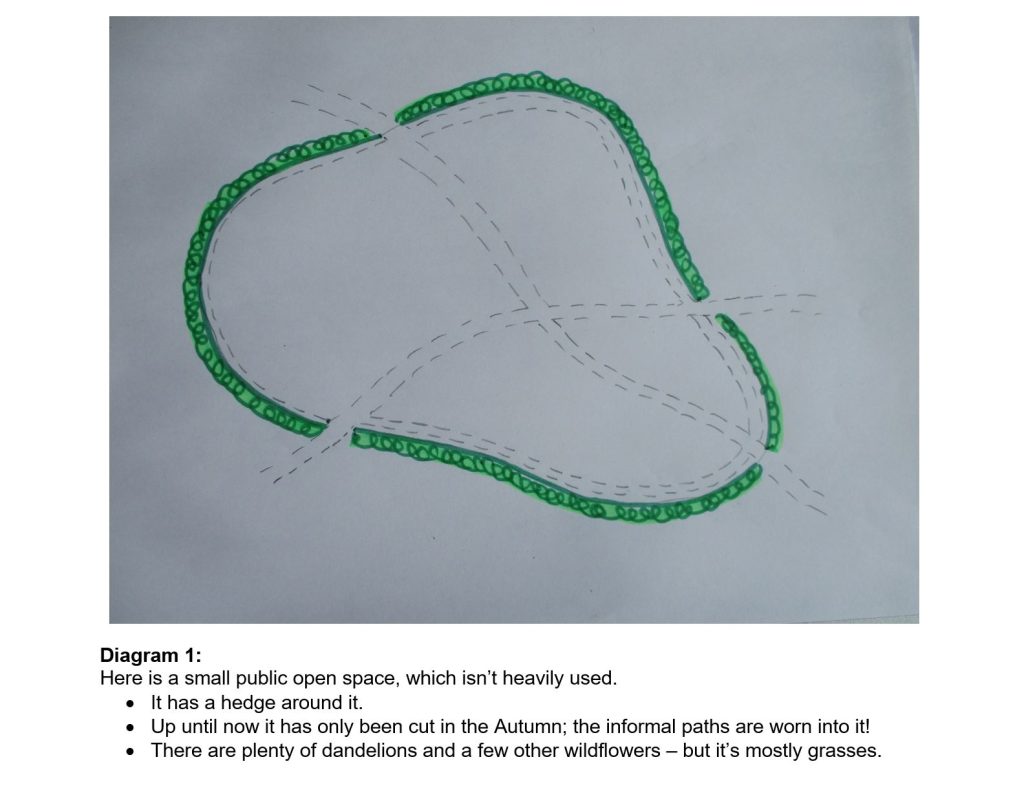
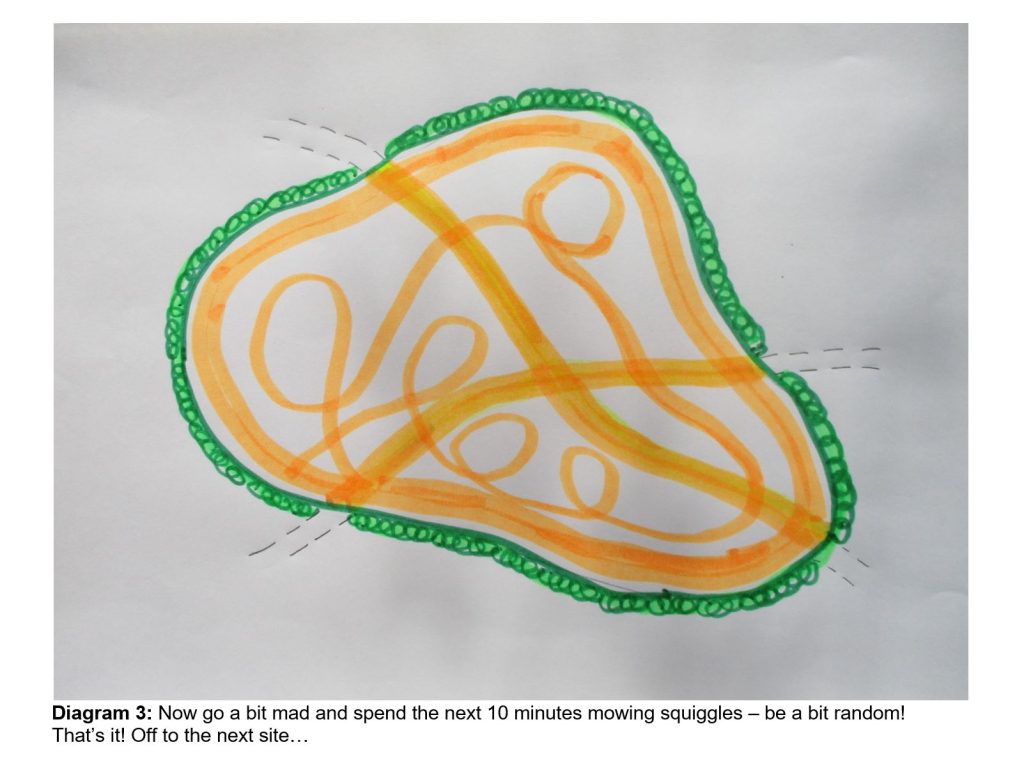
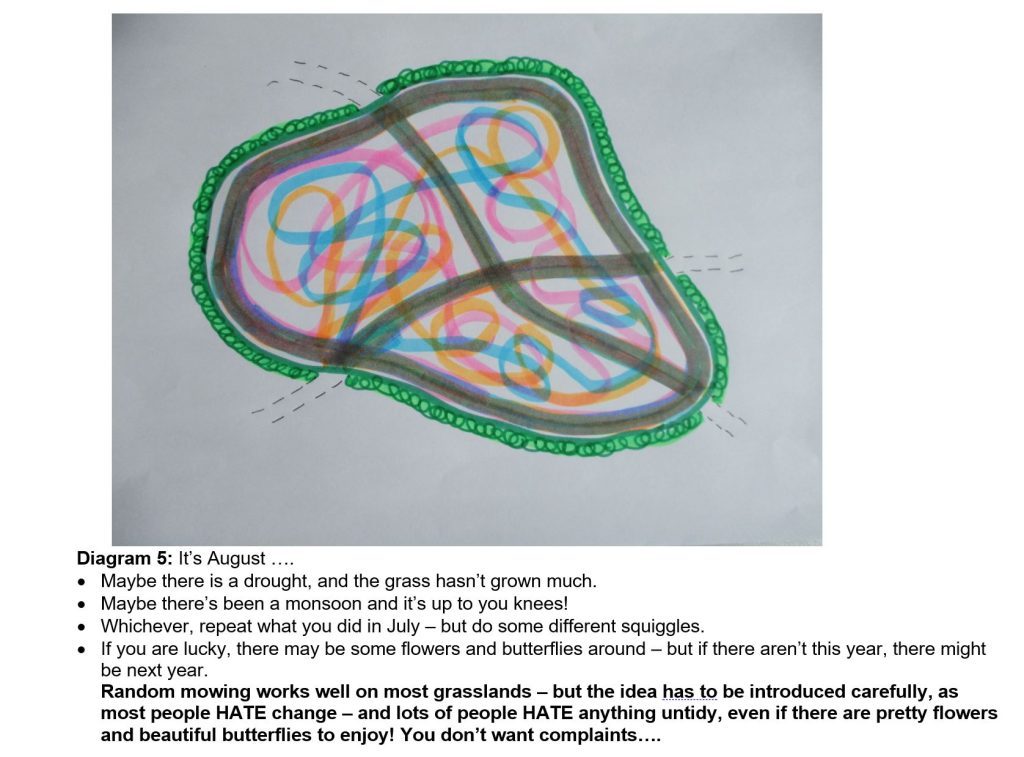
We also asked everyone what in nature brightens their day while working outdoors. Responses ranged from butterflies and woodpeckers to slow worms, sparking a great discussion about how random mowing promotes plant diversity and varied grass heights which in turn, supports more insects—and ultimately birds, slow worms, and other wildlife higher up the food chain.
We hope that if contractors are challenged as to why these greenspaces look “messy,” they might feel better equipped to talk about how random mowing is one way to help people to see what they love!
This summer, we’ll be surveying selected TDC sites to gather baseline data and track changes in the years ahead. If you’d like to get involved, we’d love to hear from you!
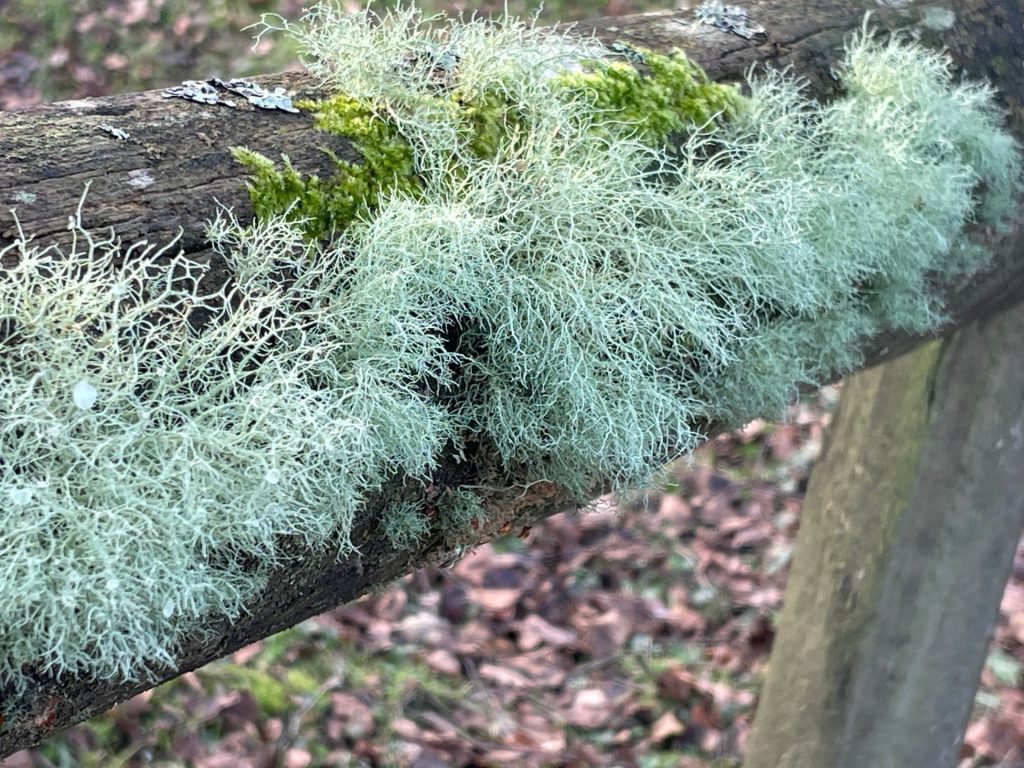
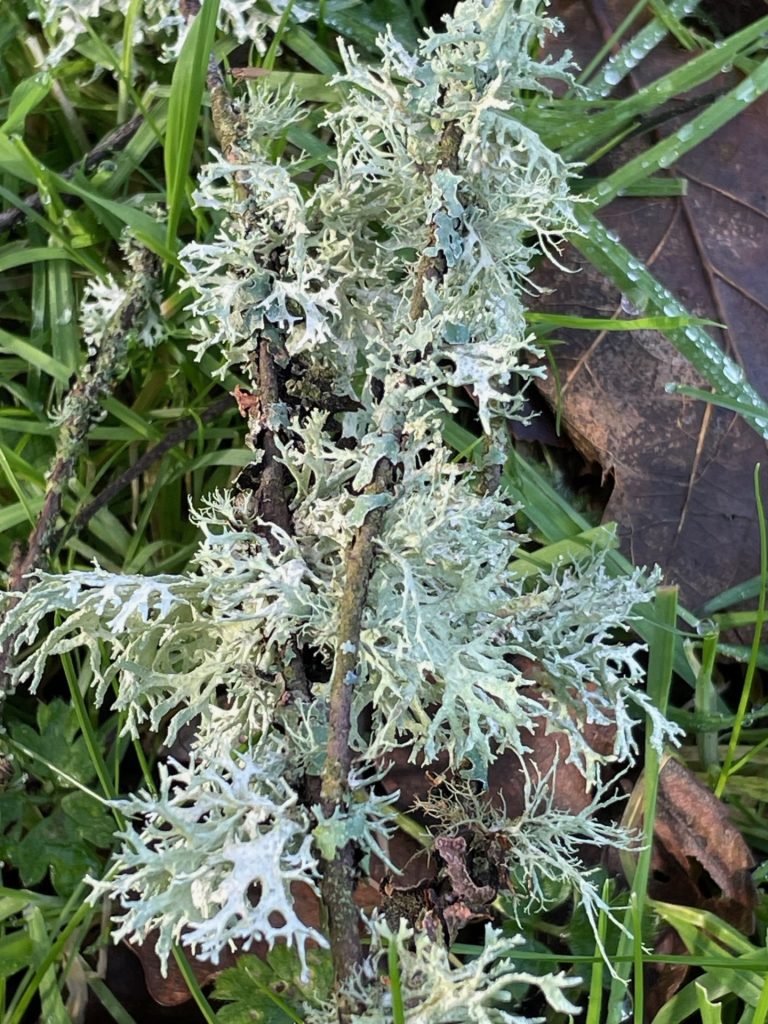
Lichens: A tiny yet huge world!
Thank you to our wonderfully knowledgeable Wildlife Wardens Sonia and Anna for running a fantastic beginners lichen training session last month.
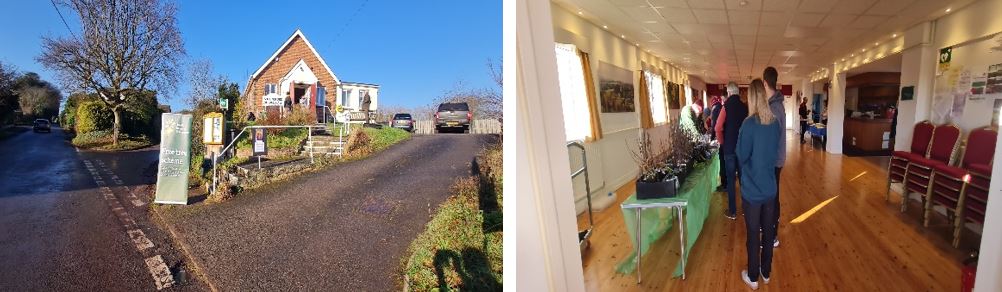
A large group of us gathered at the church hall in Trusham for an introduction to the world of lichens before heading into the local woods. At a large ash tree, we became completely engrossed, peering through hand lenses to discover the many lichen varieties growing on its bark. The walk back was even slower as we stopped to examine lichens on gates, trees, fallen wood – just about everywhere!
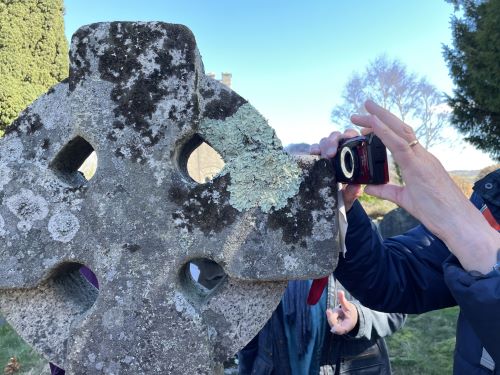
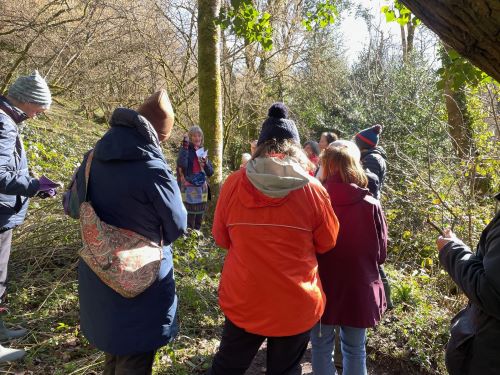
Sonia and Anna did a fantastic job guiding us through the first steps of this otherwise overwhelming and complex subject. We left feeling more confident in our understanding of lichens, their reproduction, and how to categorise them into the three main types: crustose, foliose, and fruticose. Plus, we had fun spotting “wine gums,” “jam tarts,” and “volcanoes”!
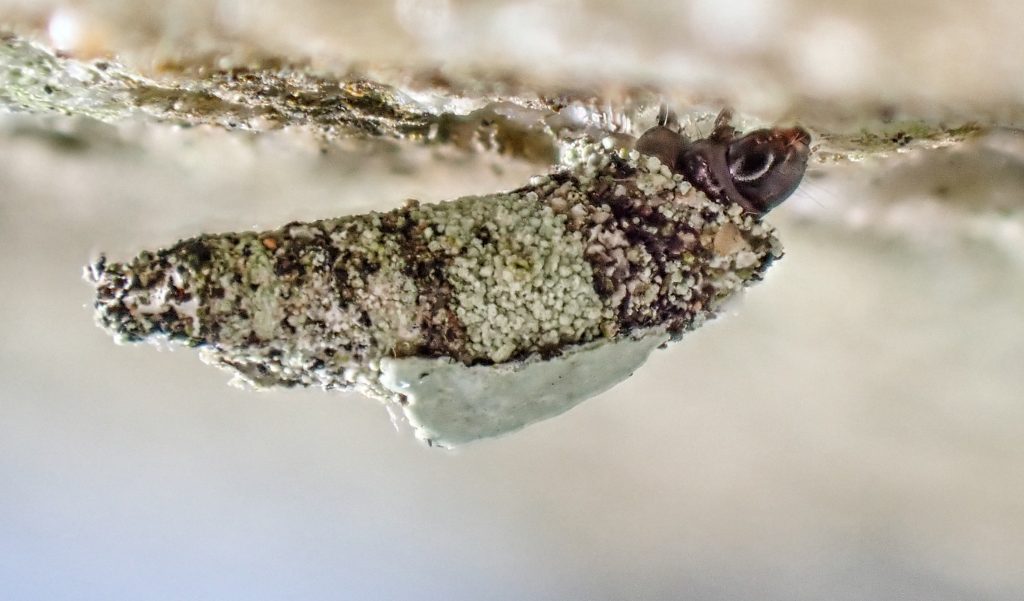
The day ended on a high when Trusham warden Helen, who looks after the Trusham churchyard, led us to a gravestone where some intriguingly camouflaged creatures were blended among the lichens. To our amazement, they started moving! Take a look at Helens incredible video capturing these Ramshorn Bagworm (Luffia lapidella) on the move!

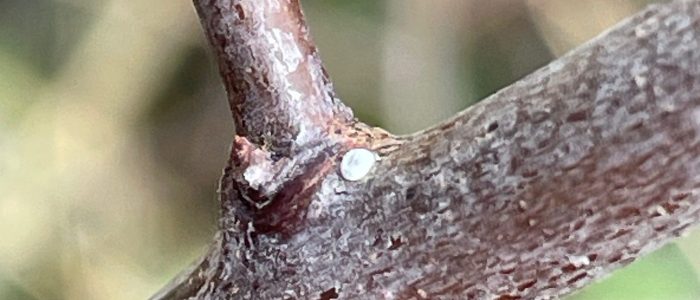
Hairstreak, dormice and hedgerows!
Wildlife Warden collaboration with Teign valley landowners
The Teign Valley Facilitation Fund (TVFF) has been set up to help farmers and landowners work together to reduce flooding, support biodiversity, create habitat for priority species, and contribute to tackling the climate emergency. To support this, we have teamed up local Wildlife Wardens with TVFF members to conduct brown hairstreak butterfly and hedge surveys on their land over the past few months.
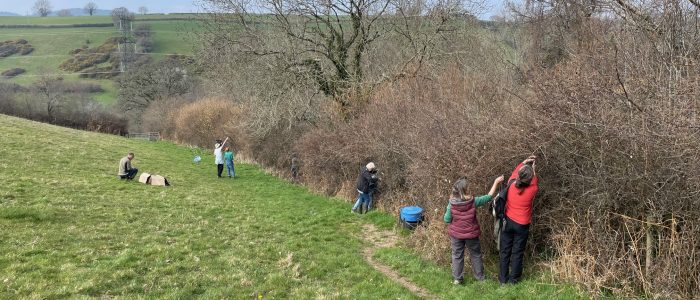
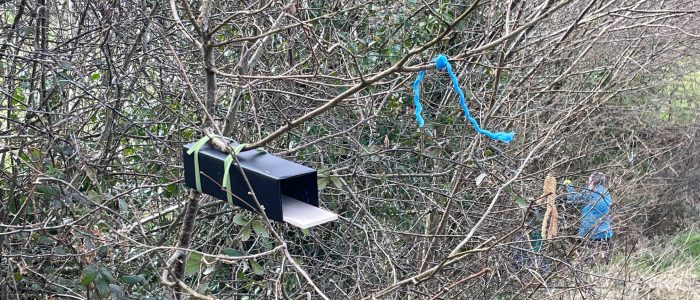
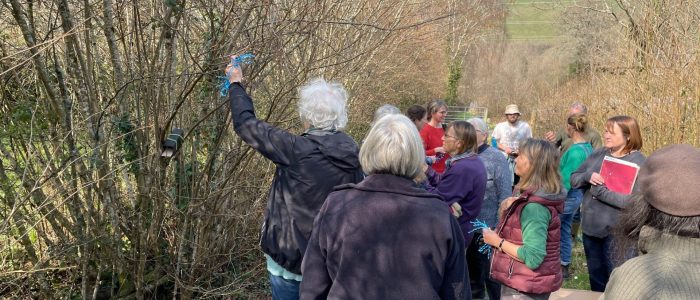
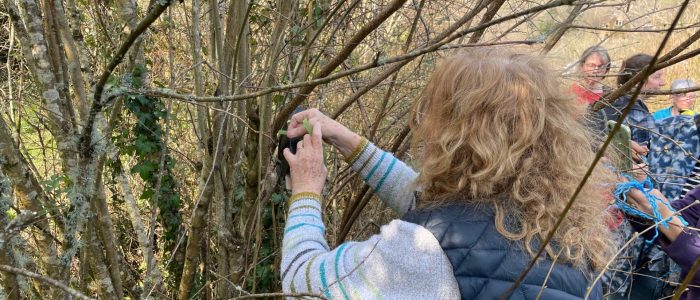
Wildlife Wardens are now shifting focus to dormice, and last week, we were extremely grateful to have mammal expert (and Chudleigh WW) Sue Smallshire lead a training session in the sunshine! After an introduction to dormouse ecology, we headed out to learn how to identify suitable sites for nest box tubes. Wildlife Wardens will now help landowners to install 50 monitoring tubes per site and the information collected at the end of the season will help determine the presence (or absence) of dormice and guide future land management decisions.
A huge thank you to the dedicated Wildlife Wardens involved in this project – it has been a fantastic collaboration, supporting local landowners!
Swift action!
We’re thrilled to welcome Jerry Horn to the Wildlife Warden group! Jerry set up and runs the Devon Swift Project, and last week he was awarded the Wild About Devon Award for his incredible work on this project!
Jerry has kindly provided an introduction to himself. We hope the warden network will be a valuable resource in supporting swift conservation across Teignbridge.
“I moved into my current home in Dawlish 10 years ago and noticed swifts nesting in my neighbour’s houses. I decided to put up nest boxes on my own house, and over the years, I’ve managed to attract six pairs. One of those pairs has been returning for six years.
At first, I wasn’t fully aware of the swifts’ nesting requirements. I didn’t realise that maintenance work on houses in my area was unknowingly blocking swift nest sites. Modern construction techniques were obstructing access to the nest chambers, meaning the nesting pairs – who mate for life – were returning from Sub-Saharan Africa only to find they couldn’t get into their chambers.
This is one of the main reasons swift populations have declined by 60% over the past 20 years, and why the species now holds red-listed status. In Dawlish, the swift population dropped during the years my colony was becoming established, dwindling to just a few pairs. Thankfully, by 2024, the numbers have risen to around eight pairs, with many more prospecting sub-adults scouting out potential nest sites.
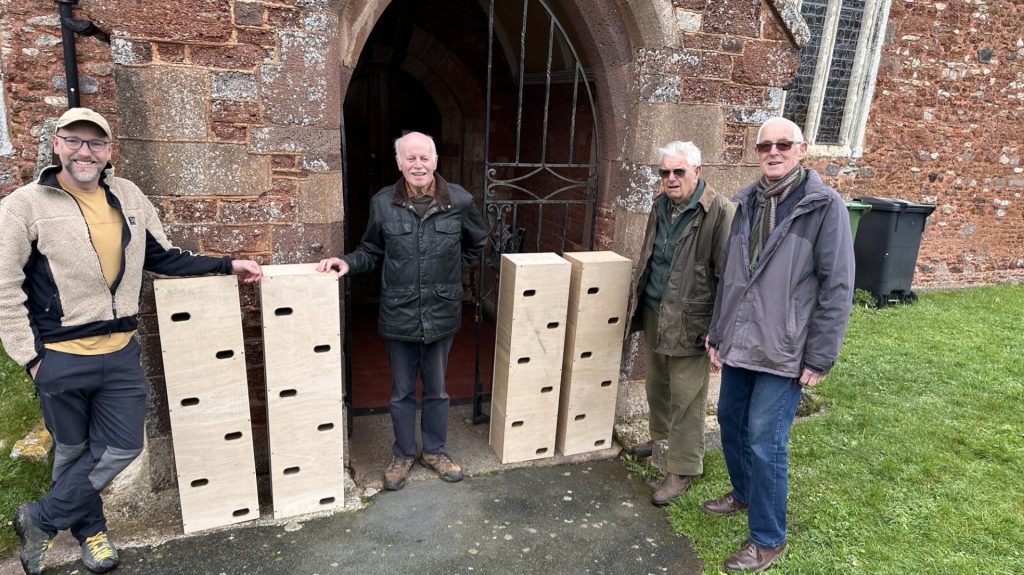
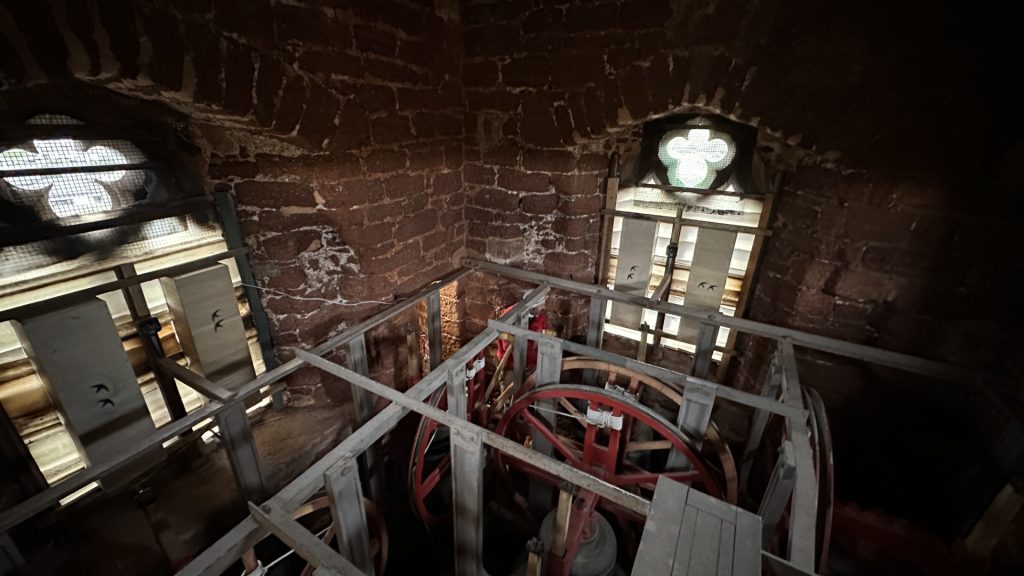
The Devon Swift Project was set up in 2022, and I installed my first nest box at St. Gregory’s Church in Dawlish. Since then, the working group has grown, and I’ve just completed my 37th church installation in Devon, funded by Devon Birds and the Devon Environment Foundation. I currently have funding for 30 more church installations, all of which are already allocated. We’ve applied for additional funding, so we’re hopeful we can continue supporting this incredible species!
The primary focus of the project is to install nest boxes in Devon’s churches. However, I’ve realised there’s a need to connect more with the wider community, and I’m working on developing this. If there’s enough interest and support, I’d like to propose a package for communities, where several nest boxes would be installed in a village or town, prioritising public buildings, schools, halls, community centres, etc. This package would include the installation of nest boxes and ‘swift callers’ on suitable buildings, along with guidance and a talk, in exchange for a donation to the project, helping us to continue our work.”
If you think this fabulous offer for communities could work well in your parish please do get in touch with Jerry for more information.
County Wildlife Site survey training
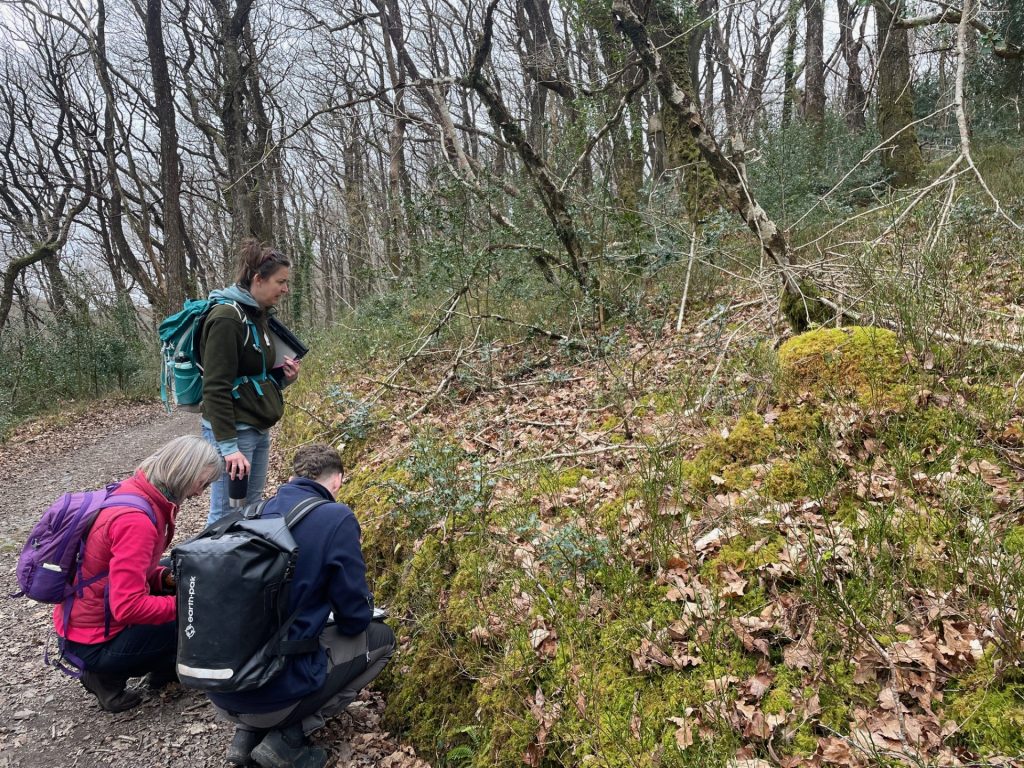
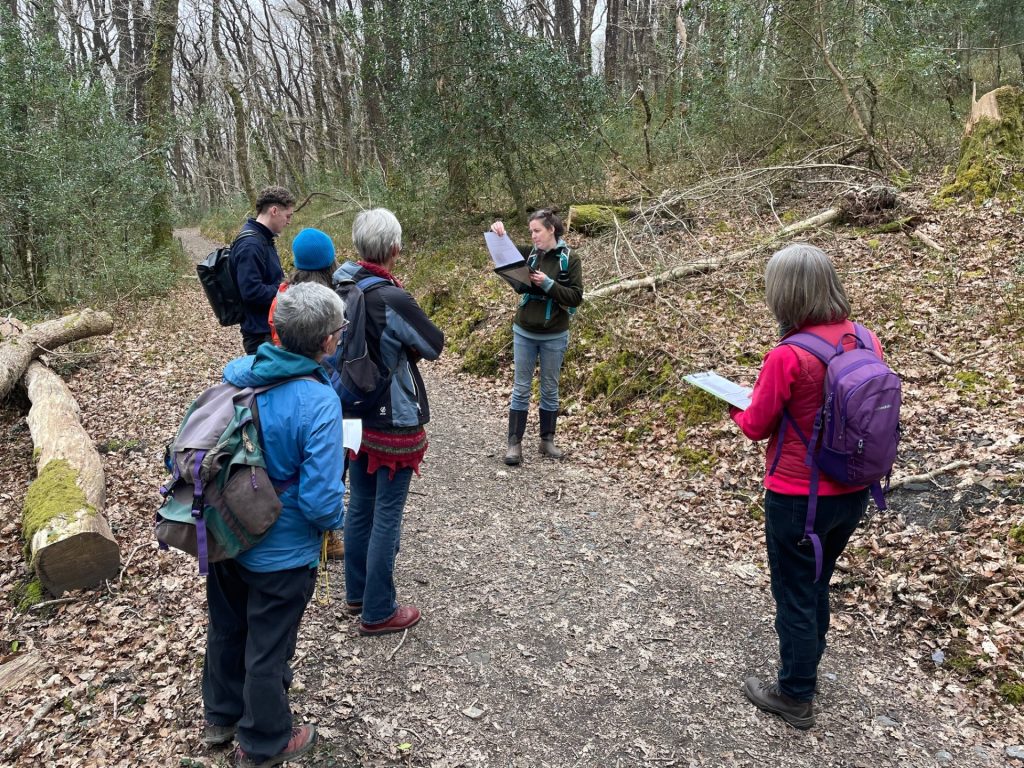
Last week, we were out and about in Yarner Woods with Jack Rivers from the Devon Biodiversity Record Centre, learning how to survey a woodland for potential designation as a County Wildlife Site (CWS).
County Wildlife Sites are recognised for their importance for supporting specific habitats or species. These valuable sites are then considered in local planning and development decisions once they are designated.
We have a fantastic team of Wildlife Wardens now trained to carry out surveys at new sites – however, we’d love to get more wardens involved!
Why would you want to be involved?
- You’ll get to see some beautiful places that you wouldn’t normally have access to.
- You are an important part of the process in getting these special sites recognised.
- You’ll learn so much about species ID when you are out with a group – I know I have!
- It’s lots fun!
How can you get involved?
Join us for the Grassland survey training on Thursday, May 1st with Jack Rivers from DBRC. During the session, you’ll learn how to complete a grassland CWS survey.
Come along and help survey unconfirmed sites with a group of trained wardens. No survey experience is required; you’ll learn as we go! Let me know if you’d like to be added to the email list.
Find and speak to local landowners: If surveys aren’t your thing, you can still play a key role by finding local landowners of unconfirmed sites to request permission for surveying. Wardens with local knowledge and connections are incredibly valuable for this. Get in touch if you think you could help in this way!
Have you ever wondered how flies fly?
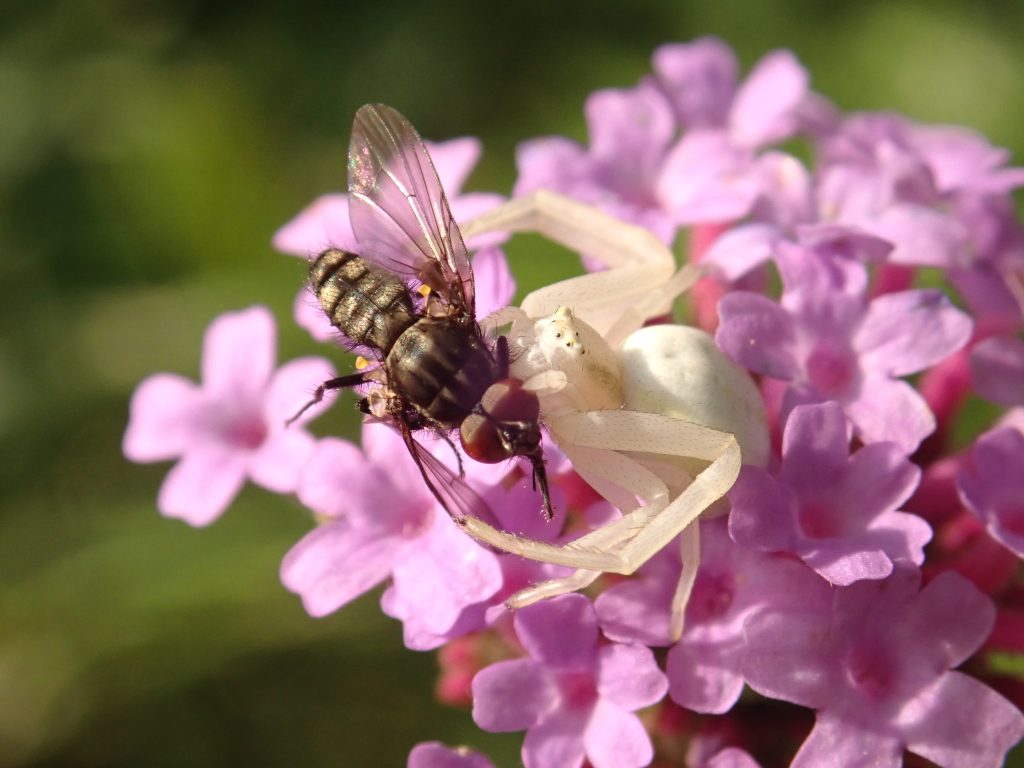
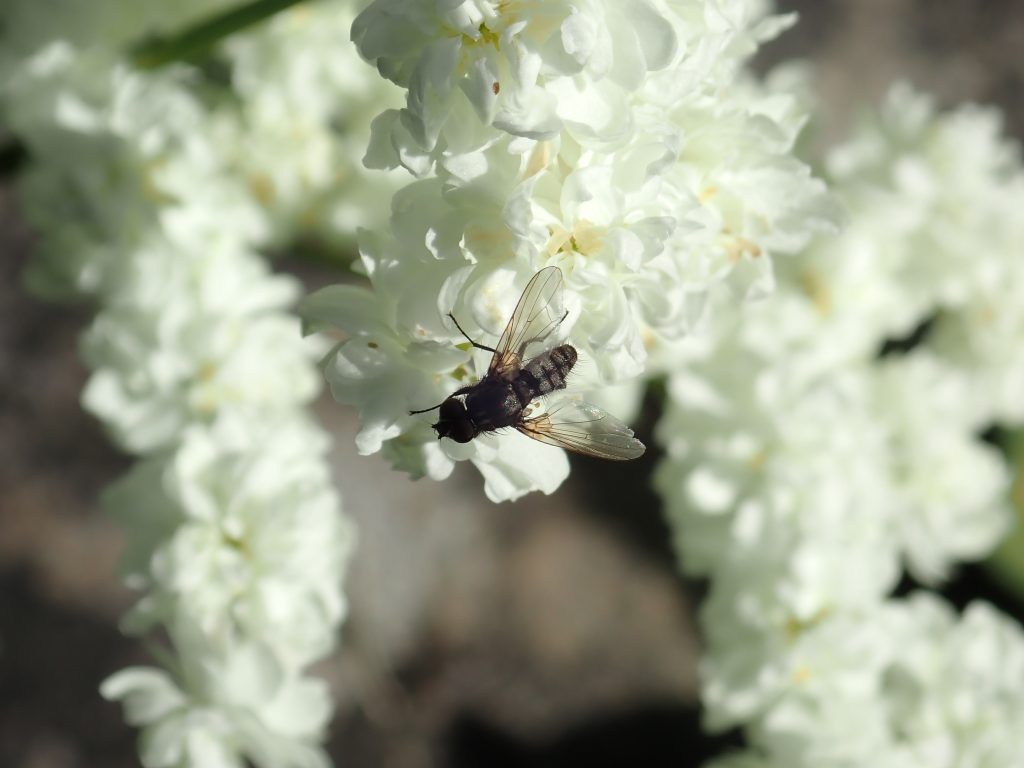
A big thank you to Linda (WW Ilsington) for writing the article below. Linda shared her images of halteres with me, which got me looking – so I thought others might enjoy getting the haltere-spotting bug too!
We all know that the majority of insects including bees, butterflies and dragonflies have 2 pairs of wings that gives them the ability to manoeuvre expertly in flight. So how do true flies, part of the large Diptera Order with approx. 100,000 known species, manage with only one pair of wings?
The fore wings of true flies provide lift whilst the hind wings of true flies have been reduced to small pin shaped discs, known as halteres, which are used to maintain flight stability by acting as gyroscopes to assist balance. If you look closely at flies, you can see these small discs on stalks, like miniature lollypop sticks attached towards the rear of the thorax, in the same position that other insects have their hindwings.
The halteres beat rapidly with forewing movement when the fly is in linear flight but if it starts to move off this course the halteres oscillate on their axis (going right and left, as well as up and down) which creates a force that is picked up by sensors at the base of the halteres. This information is then used to provide information to the fore wing and head stabilisation muscles to correct the fly’s position in space. The sensory organs at the base of the halteres are very similar to that of the rear wings of 4 winged insects so this is thought to be an evolutionary development.
With the temperature rising as spring arrives go on a search in your garden to spot the extraordinary anatomy and flight of flies.
Dates for your diary
| Monday 7th April | Ancient Woodland Plant ID Training – anyone welcome! |
| Thursday 1st May | County Wildlife Site (CWS) Grassland Survey Training with Devon Biodiversity Record Centre – anyone welcome! |
| Friday 2nd and Sat 3rd May | WW Event Stand at Powderham Garden Festival -let me know if you want to help! |
| Monday 26th May | WW Event Stand at Turn the Tide Festival, Dawlish – let me know if you want to help! |
| Date TBC in May | WW Reptile training at Yarner |
| Date TBC (likely June) | WW Fern ID training |
| Date TBC (likely July) | WW Yellow composite flower ID training |
Can you help with the Wildlife Warden event stand?
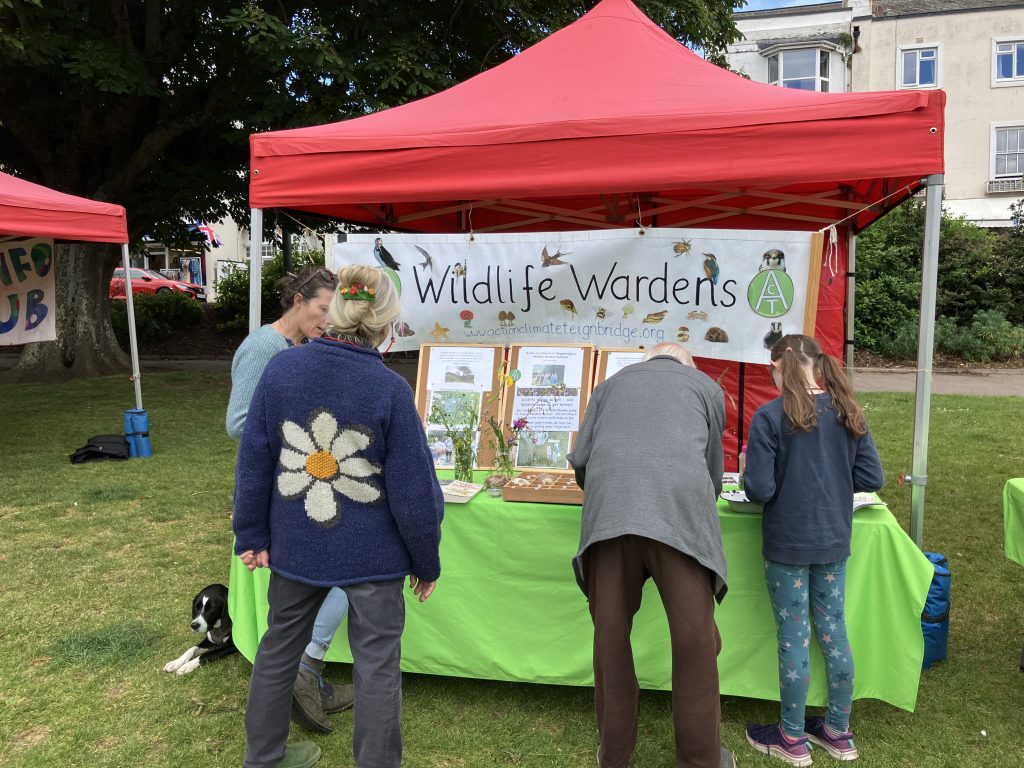
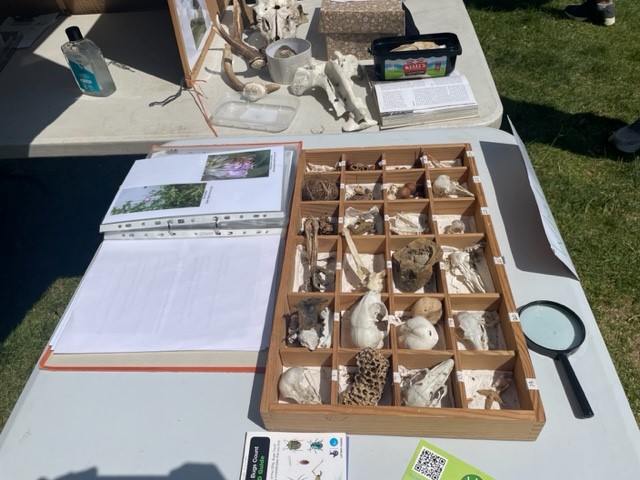
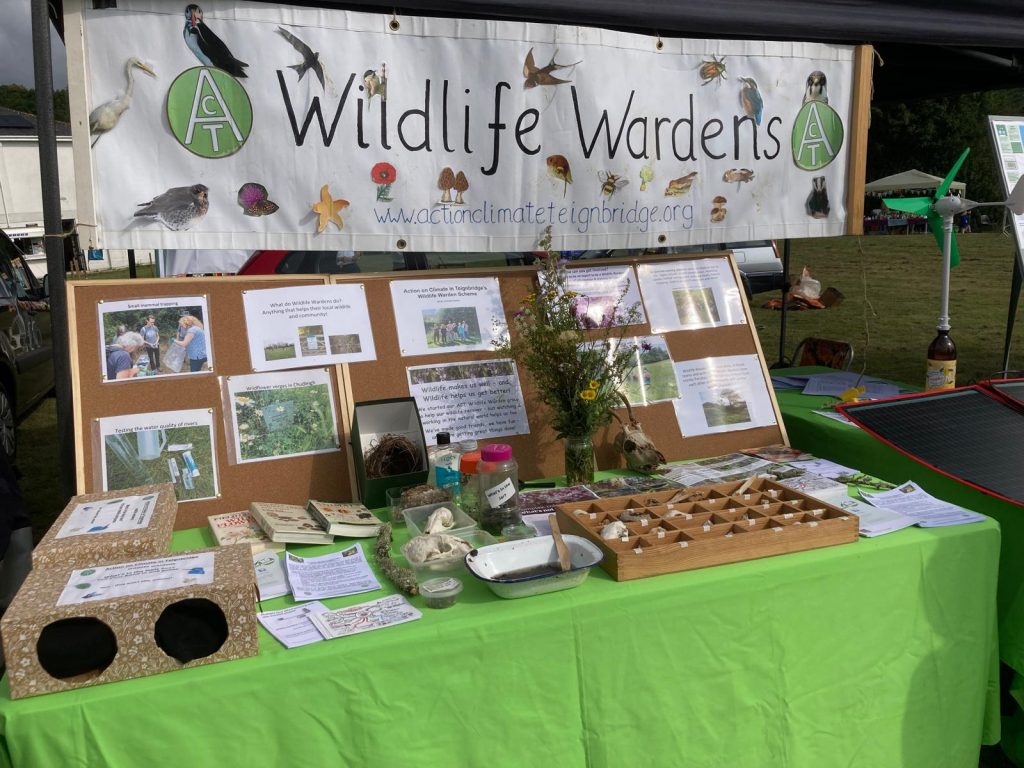
We’ve got a lot of events lined up over the summer where we’ll be taking the WW stand. It’s a fantastic opportunity to connect with people, share what we’ve been up to, spark interest in local nature and wildlife …… and potentially find some new volunteers!
We’d love to have some helpers for these events, so if you’d like to join us for one or more dates, please ping me an email.
| Fri 2nd & Sat 3rd May | Powderham Garden Festival |
| Mon 26th May | Turn the Tide Festival, Dawlish |
| Mon 26th May | King’s Teignton Ram Fair |
| Sun 8th June | Open Wildlife Garden Event, Ogwell |
| Sat 14th June | Great Big Green Week, Bovey Tracey |
| Thurs 10th & Fri 11th July | Westaway’s Event, Newton Abbot |
| Sat 12th July | Newton Abbot Fayre |
| Sat 16th August | Christow Show |
| Sat 23rd August | Kingskerswell Family Day |
Round up of Wildlife Warden activity across Teignbridge
Ashburton A big thank you to Elaine for helping run the Wildlife Warden stand at the Ashburton Thrive event this weekend. There was a steady stream of interested visitors and plenty of great conversations about local wildlife, what people enjoy seeing in their area, and sharing the great work the warden group is doing.
Ashton WW Shira gave a really creative and interactive presentation for the Bridford and Teign Valley Gardening Club which she entitled “Murder in the Garden“. Shira prepared cards featuring garden wildlife—from mycelium and invertebrates to birds and small mammals—each with details of their diet and vulnerabilities on the back. Some creatures were welcomed by gardeners (e.g., robins and hedgehogs), while others were not (e.g., slugs and greenflies). The group was invited to arrange these creatures in a ‘garden,’ creating a food web of thriving biodiversity.

However, the scenario shifted when new homeowners took over the garden. Unhappy with anything eating their plants or disturbing their lawn, they turned to a big-chain DIY store and the local garden centre to buy pesticides-many of which harm non-target species and aquatic life. And who knew that while neonicotinoids are banned in agriculture, gardeners can still readily purchase them?
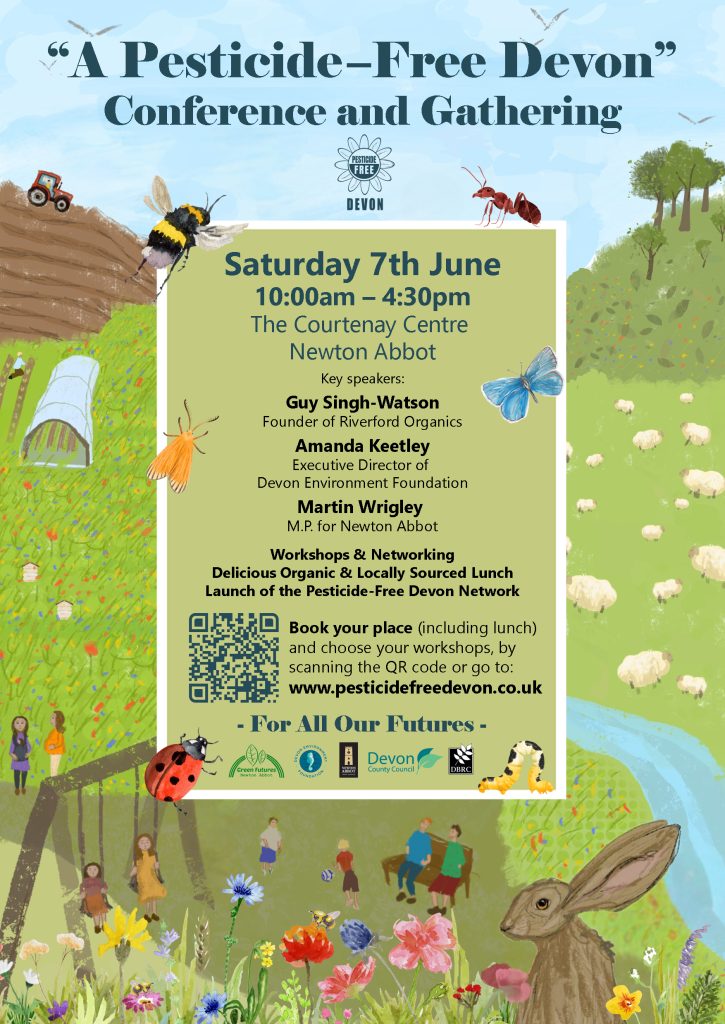
The impact on the groups imagined flourishing garden was clear. The group unanimously agreed on the need to stop using chemicals and to dispose of those stored in sheds. Shira then introduced the upcoming launch of Pesticide Free Devon in June, which Wildlife Wardens are invited to support, with hopes for a district-wide pesticide collection in the future. What a fabulous way to help people discover the impact they can have for themselves!
Bridford With the help of her husband (an honorary WW!), Lucy has planted 12 trees in the Bridford playpark and has written an article for the Parish Council to include in the upcoming parish magazine. She has updated the verges management plan for this year, which will be discussed this at the next Parish Council meeting. Lucy has also been out and about helping with brown hairstreak surveys for farmers and landowners in the Teign Valley as part of the TVFF project and will be putting up dormouse nest boxes, next month as part of this project.
Christow Welcome to new warden Edmund! WWs Jane and Mike have been supporting Christow School by renovating a hedge within the school grounds for the benefit of wildlife. Jane has also attended our recent dormouse training session and will be setting up nest boxes on her land in the coming months. Edmund would like to be a hedgehog champion for Christow, and is going to be looking at putting up signs to make residents more aware of hedgehogs and the connectivity needed by them to thrive.
Chudleigh WW Sue came and ran a fabulous dormouse training for wardens involved with the TVFF project this month, thank you! WW Tess is involved with this project too and will be helping to site the dormouse nest boxes next month.
Dawlish A big welcome to the 27 new Wildlife Wardens joining the W.A.D.E. project! Also, a warm welcome to Jerry from the Devon Swift Project, Sonia, who led a great beginner’s lichen training session in February (thank you!), and Tim, an active member of the Dawlish Water Community Orchard team. Dawlish now has an incredible 38 Wildlife Wardens—wow!
A huge congratulations to Jerry for winning the Wild About Devon Individual Award last week, recognising his incredible work on the Devon Swift Project. Well done!
The Dawlish Water Community Orchard team has been busy over the winter months! They’ve planted a long fruit hedge across the orchard and built additional dead hedges using brash to protect the new growth from deer. They’ve also been renovating old hedges, resulting in plenty of logs for edging fruit trees, ample firewood, and even more wildlife habitat.
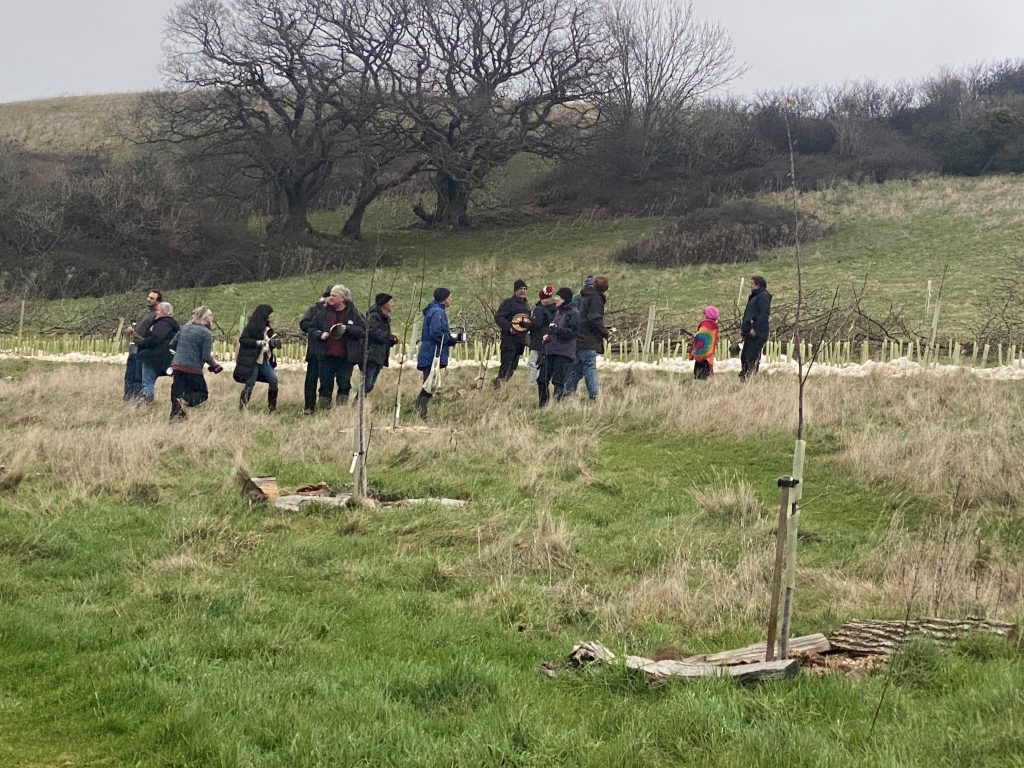
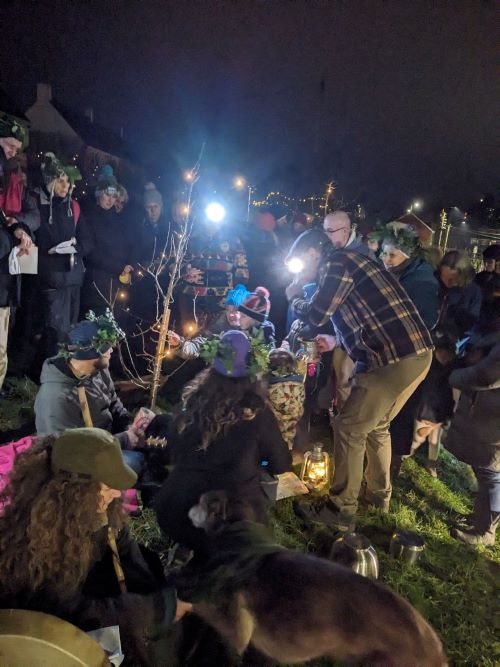
Beyond the orchard, the team has planted hazel and other trees in the surrounding fields. They hosted a well-attended Wassail -fruit trees were thoroughly blessed, and any bad spirits were (presumably) driven off by the lively hullaballoo… though two deer strolled across the field above, completely unfazed by the noise!
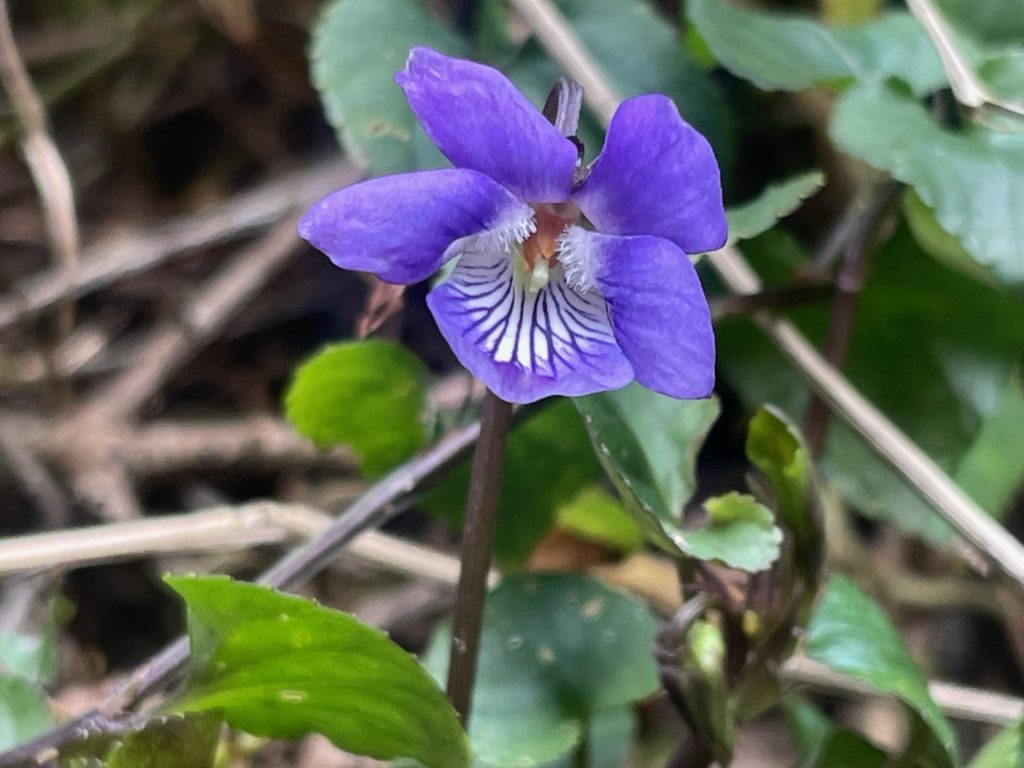
Pete and Mariya have also been helping with planting at the orchard. Mariya has a keen interest in violets and their historical presence in the Dawlish area. She has planted violets at four different sites, each with varying light levels and soil conditions, and will be monitoring their progress.
We’re hoping to gather at the community orchard in July to survey a wet field and see the fantastic work happening at this site, ping me an email if you’d be interested to come.
Doddiscombleigh WW Jo has been out and about helping with brown hairstreak surveys for farmers and landowners in the Teign Valley as part of the TVFF project and will be helping with dormouse nest box siting in the upcoming month.
Dunsford WW Julia has also been involved with brown hairstreak surveys as part of the TVFF project and continues regular litter picks and water quality monitoring.
Julia and Pip organise a monthly Teign Valley wildlife meeting to share local sightings, information, and upcoming events with the group. At a recent meeting one member shared top tips for managing gardens for butterflies, which ideally includes three different grass-cutting regimes: monthly cuts, annual cuts, and leaving grass long until August/September before cutting. Additionally, Butterfly Conservation is encouraging people to register any wild areas they have created as a ‘wild space’.
Exminster A huge congratulations to WW Jeremy and the Greenspaces team for winning the Wild About Devon Community Group Award, in recognition of all their fantastic hard work. Well done!
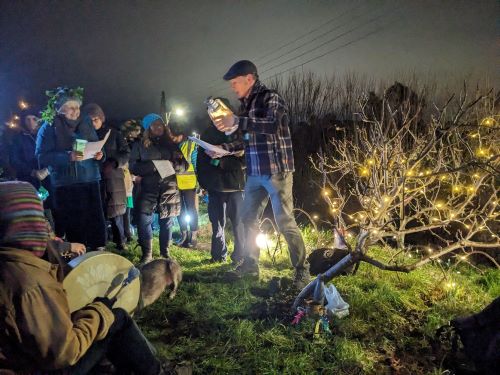
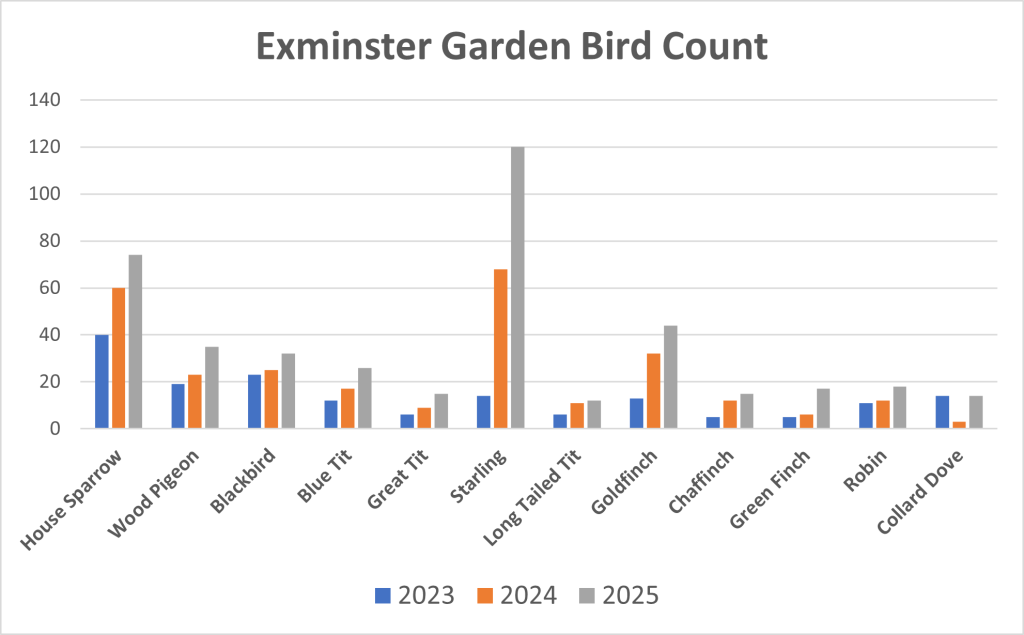
In January, the group held their fourth annual Wassail to celebrate the turn of the year and highlight the village community orchard. For the first time, the event took place in the evening, adding a magical touch. They also promoted the RSPB Garden Bird Count earlier this year and despite poor weather, the village-wide results showed an increase from last year, with some special sightings, including a goldcrest and a kingfisher. The group have tracked local bird numbers for the past few years and share this with the community.
Jeremy recently met with the Kenton and Starcross groups to discuss mowing regimes, upcoming events in Starcross (27th April, 2-4pm) and Exminster (23rd May, 6.30pm start) as well as plans for better connectivity as part of the wider local nature recovery network.
Ilsington WW Dawn led another successful parish walk to the Great Plantation at Liverton and was joined by Shaun from the Forestry Commission who gave an interesting overview of the site. Dawn will be leading another walk to the Haytor quarries this week.
North Bovey WW Susan continues to survey the water quality in her area as a Westcountry Rivers Trust citizen scientist and is planning to resuming other wildlife activities this spring.
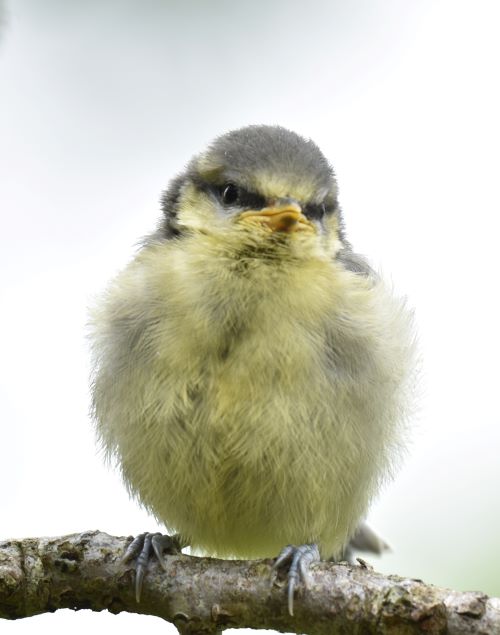
Ogwell Several members of the Ogwell team are supporting staff and the Eco Council at Canada School this year, helping with activities that strengthen the school’s connection to nature and also the local community. In January, they held a Wassail at the Eco council’s request, and they are now working on plans to make the area near the front entrance more wildlife-friendly. The team have also donated apple trees, helped with maintaining some of their planters for pollinators and purchased a bird box camera to bring nature into the classroom.
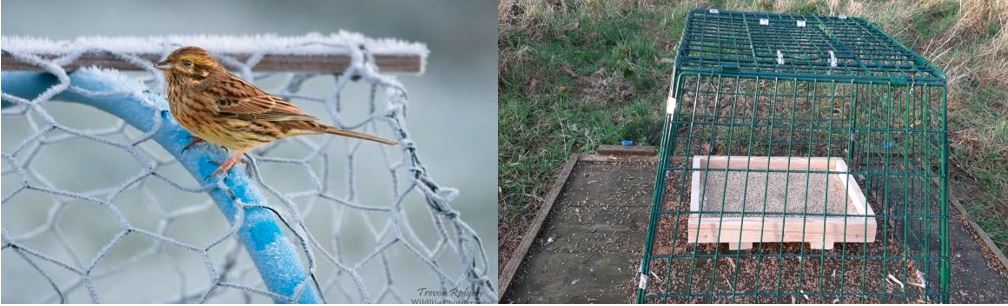
Shillingford WW Peter and the Shillingford team have set up two ground-feeding stations to attract and support cirl buntings, after spotting a single pair in a village hedgerow three years ago. Following RSPB advice, they use the same successful seed mix as at Labrador Bay—80% canary seed and 20% millet—sourced from Eyebrook Wild Bird Feeds (available by phone order only). Both feeders are kept topped up year-round and now attract 10–15 birds daily! (One feeder had to be slightly modified after a trail camera caught a squirrel stealing the feed!) Peter is happy to advise others interested in setting up feeders—just drop me an email to connect you.
The Shillingford group hosted three winter wildlife talks, including a fantastic presentation by Mateo from the Barn Owl Trust, an great wildlife gardening talk from Ashburton WW Elaine, and an upcoming April talk, The Colour of Birds (Monday 14th April at 7.30pm).
They also organised a successful Devon Wildlife Trust Saving Devon’s Treescapes tree giveaway, with 500 trees going to new homes to help replace those lost to ash dieback.
In December and January, huge flocks of noisy linnets—sometimes around 300 —were spotted congregating on the village phonelines!
Starcross WW Ali recently met with the Exminster and Kenton groups to share ideas and plan ways to link the groups as part of the wider nature recovery network. Ali is also busy organising the Starcross Goes Wild event on Sunday, April 27th. If you’d like to help, let me know, and I’ll connect you with Ali!
Stokeinteignhead WWs Jill, Charlie, and Sam have revived the Teign Wildlife Interest Group (TWIG) after a five-year break which is fantastic to hear! As a first event they have organised a talk by a local medical herbalist on hedgerow herbs and foraging. Meanwhile, Sam has been exploring parish habitat mapping and is in discussion with the Devon Biodiversity Record Centre about the project. It will be great to hear how this progresses.
Teignmouth WW Peppy, along with Audrey, gave an fab talk on ‘How can our farmers and communities have a positive impact on the Teign?’ The room was packed with a lively crowd, and the discussion really got people talking and could have gone on much longer! Great to hear so many people are passionate and interested.
Trusham WW Anna teamed up with Sonia (Teignmouth) to run a really fun beginners’ lichen training session last month. She also attended the dormouse training and will be supporting TVFF landowners to install nest boxes over the next month. Anna has also been asked by a group in Shaldon to help create a more wildlife-friendly area following a garage development and will be doing so with the support of Iso (Buckfastleigh WW).
If you’ve made it to the end, well done! Hopefully, you’ve been enjoying a cuppa in the sunshine, listening to the birds!
As always, please don’t hesitate to let us know if there’s anything we can do to support you with all your amazing work for wildlife and nature in Teignbridge! Hope to see you at an event or training session soon.
Vicky